

The surreality of so many election moments may account for the focus of this issue of In Medias Res and indeed of CMS/W’s work since 2015 and 2016: the long-awaited breakthrough of virtual reality technology.

Podcast: Jennifer Stromer-Galley, “Illuminating 2016: Using Social Listening Tools to Understand the Presidential Campaign”
Syracuse University’s Jennifer Stromer-Galley describes the large scale collection and machine learning techniques she and her team have used for the Illuminating 2016 project to study the ways the presidential candidates and the public have used social media.

New York Times: “Meeting ‘the Other’ Face to Face”
“A deeply affecting experiment in communication, called ‘The Enemy,’ underway at M.I.T., is the result of a collaboration between Mr. Ben Khelifa and Fox Harrell, an associate professor of digital media.”

Video and podcast: “The Turn to ‘Tween’: An Age Category and its Cultural Consequences”
How are “tweens” represented in popular culture? And how does this relatively new category deal with race, class, and gender identity?
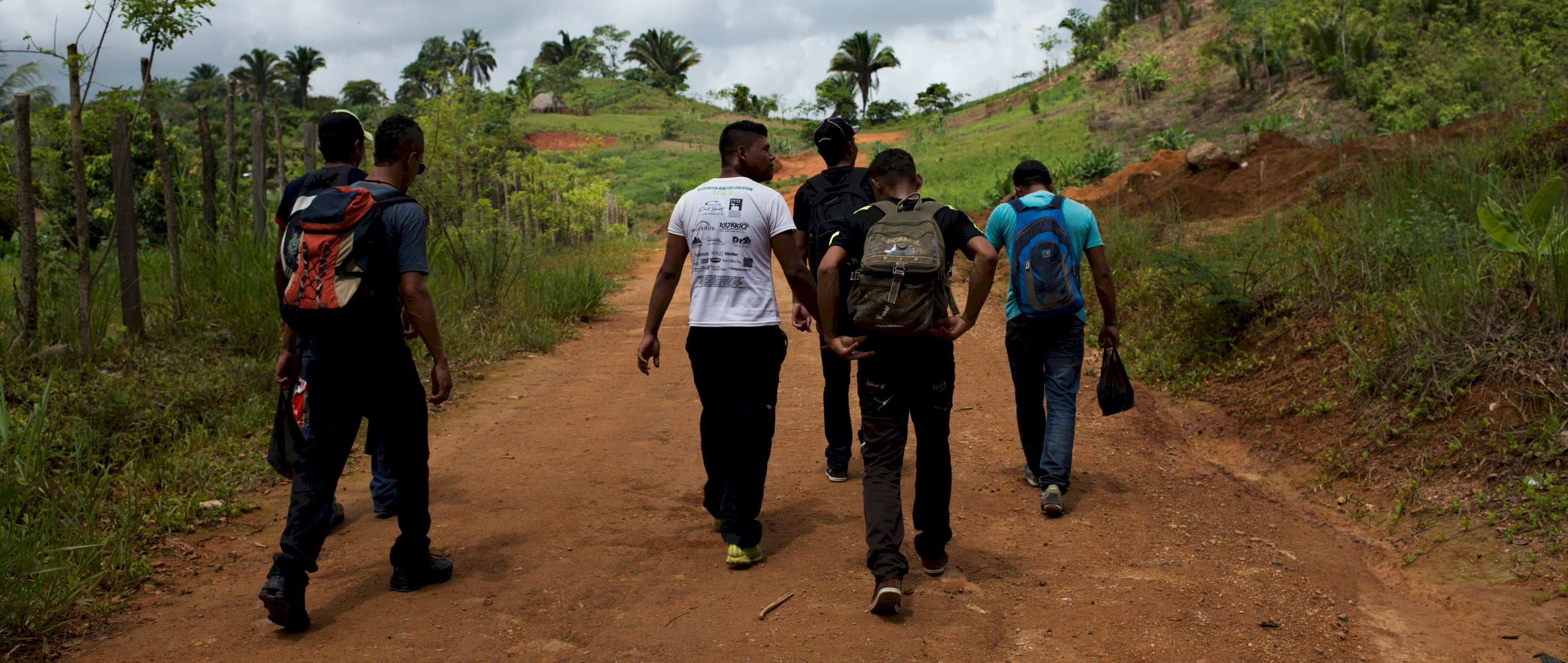
Grad student Sara Rafsky serves as contributor to chilling Amnesty International report on Central America’s regufee crisis
“Home Sweet Home? Honduras, Guatemala and El Salvador’s role in a deepening refugee crisis explores how the three countries are failing to protect people from violence, and also failing to set up a comprehensive protection plan for deportees forced by countries such as Mexico and the USA to return to life-threatening situations.”

Video and podcast: “Time Traveling with James Gleick”
In conversation with Alan Lightman, international best-selling author and science historian James Gleick discusses his career, the state of science journalism, and his newest book Time Travel: A History.

Embodied Montage: Reconsidering Immediacy in Virtual Reality
This framework creates territory for expression challenging embodied cognitive structures and could use the medium in ways distinguished from other forms.

