Artist-Audience Relations in the Age of Social Media
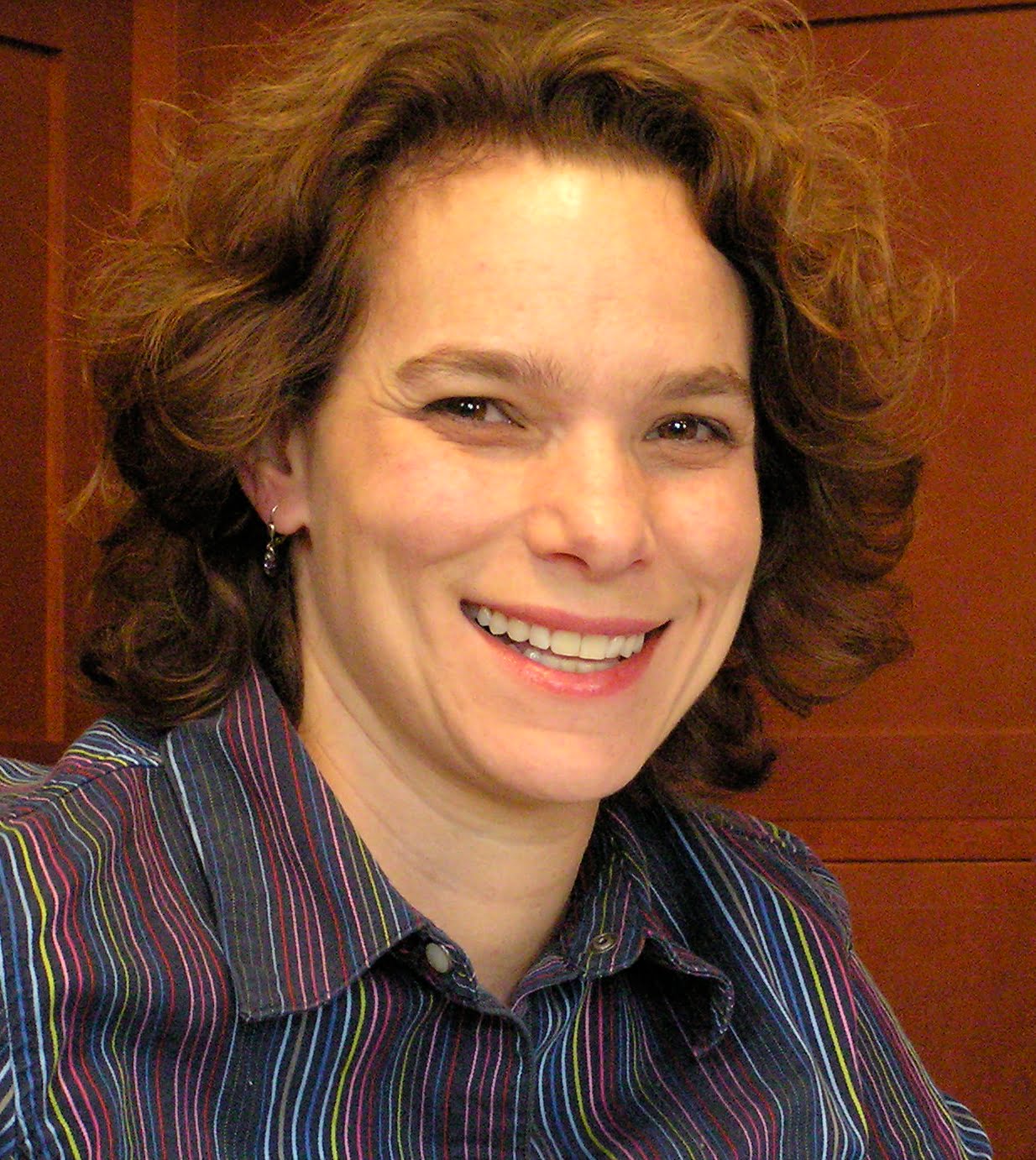
MIT Building 4, Room 231 Cambridge, MANancy Baym asks, "How does direct access to fans change what it means to be an artist? What rewards are there that weren't before?"

MIT Graduate Program in Comparative Media Studies
Studying Media and Making Media
Nancy Baym asks, "How does direct access to fans change what it means to be an artist? What rewards are there that weren't before?"
September 20, 2012. If you would like to attend an on-campus info session, please RSVP to cms-admissions@mit.edu.
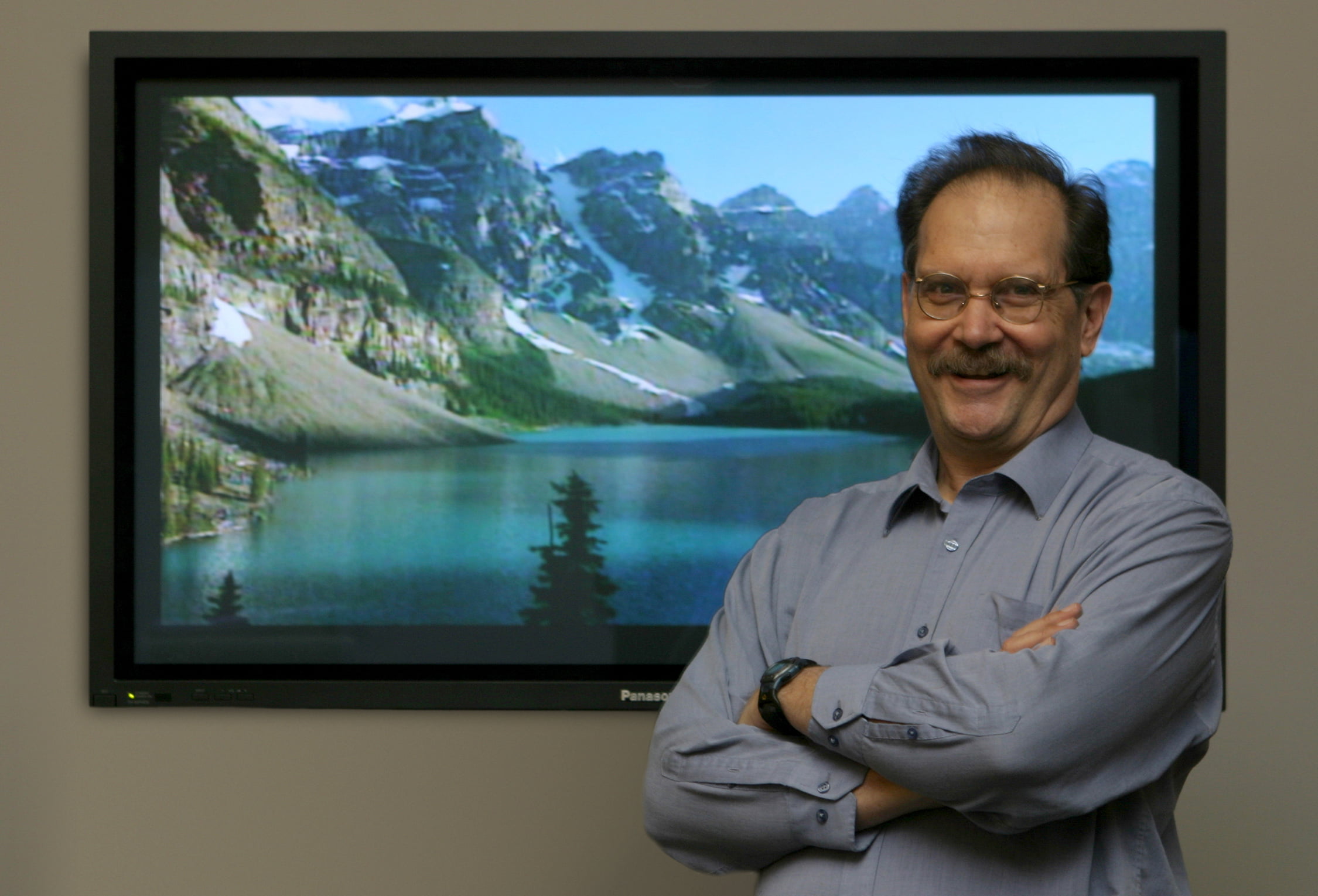
Close reading requires that the scholar immerse herself in the experience of the text on its own terms, and at the same time maintain a critical distance.

What can finance, health care, philanthropy, and education learn from cutting-edge games and game theory?
Jeffrey Hamburger surveys the many aspects of medieval script as a pictorial form, using examples from Late Antiquity to the late Middle Ages and beyond.

Join us at 10am on October 4, 2012, here at cms.mit.edu!
Gediminas Urbonas is artist and educator, and co-founder of Urbonas Studio, an interdisciplinary research program that advocates for the reclamation of public culture.
If you would like to attend an on-campus info session, please RSVP to cms-admissions@mit.edu.
Join us at 10am on November 1, 2012, here at cms.mit.edu!
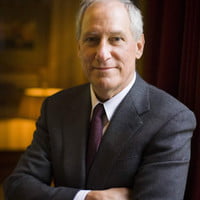
What urgent initiatives are underway to assure universal access to our print inheritance and to the digital communication forms of the future?
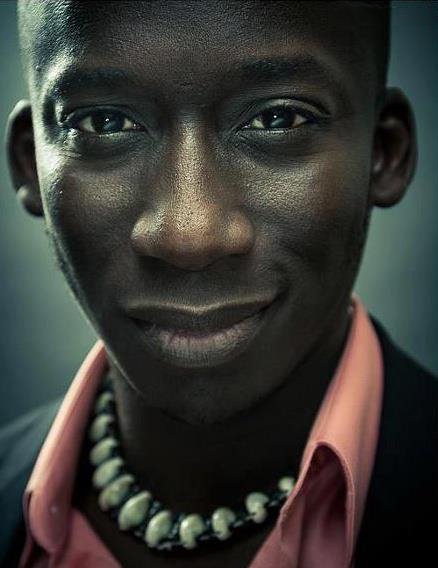
How has Nigerian cinema in particular influenced local television and film markets in other countries across West Africa, and across the continent?

This year's event, Nov. 9-10 at MIT, will look at how media producers and audiences are relating to one another in new ways in a spreadable media landscape.
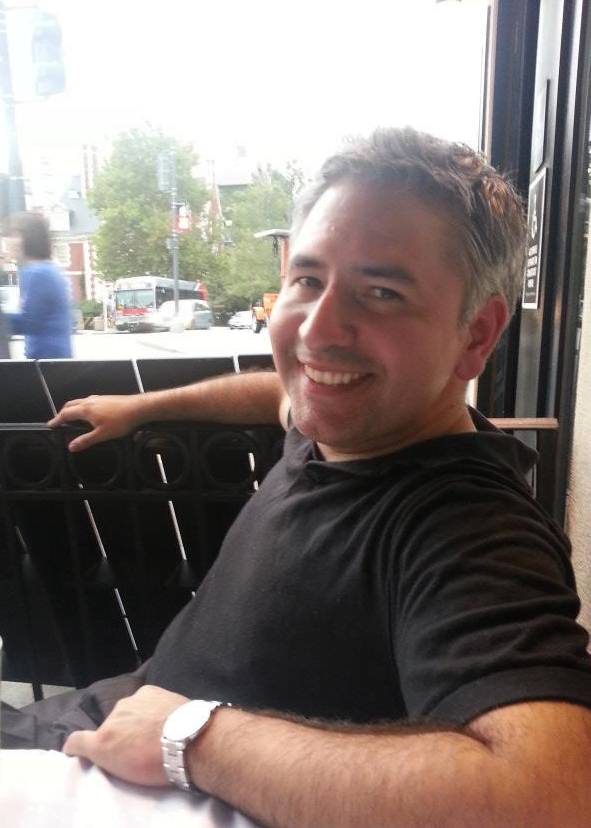
Hector Postigo's presentation develops a framework for understanding how social media’s technical feature-sets create a system of capture and conversion.
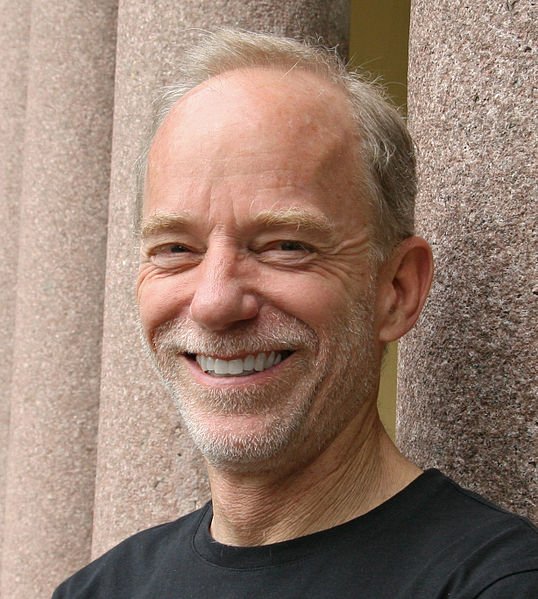
Mark Turner's research on the cognitive underpinnings of network news, with an emphasis on blended joint attention, story-telling, counterfactuality, and hypotheticals.
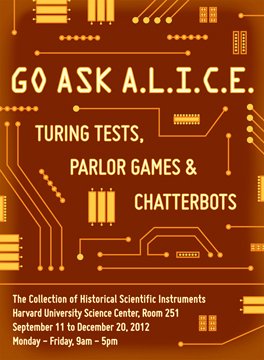
GO ASK A.L.I.C.E explores the strange afterlife of the Turing Test as it has circulated in popular, scientific, and commercial cultures.

