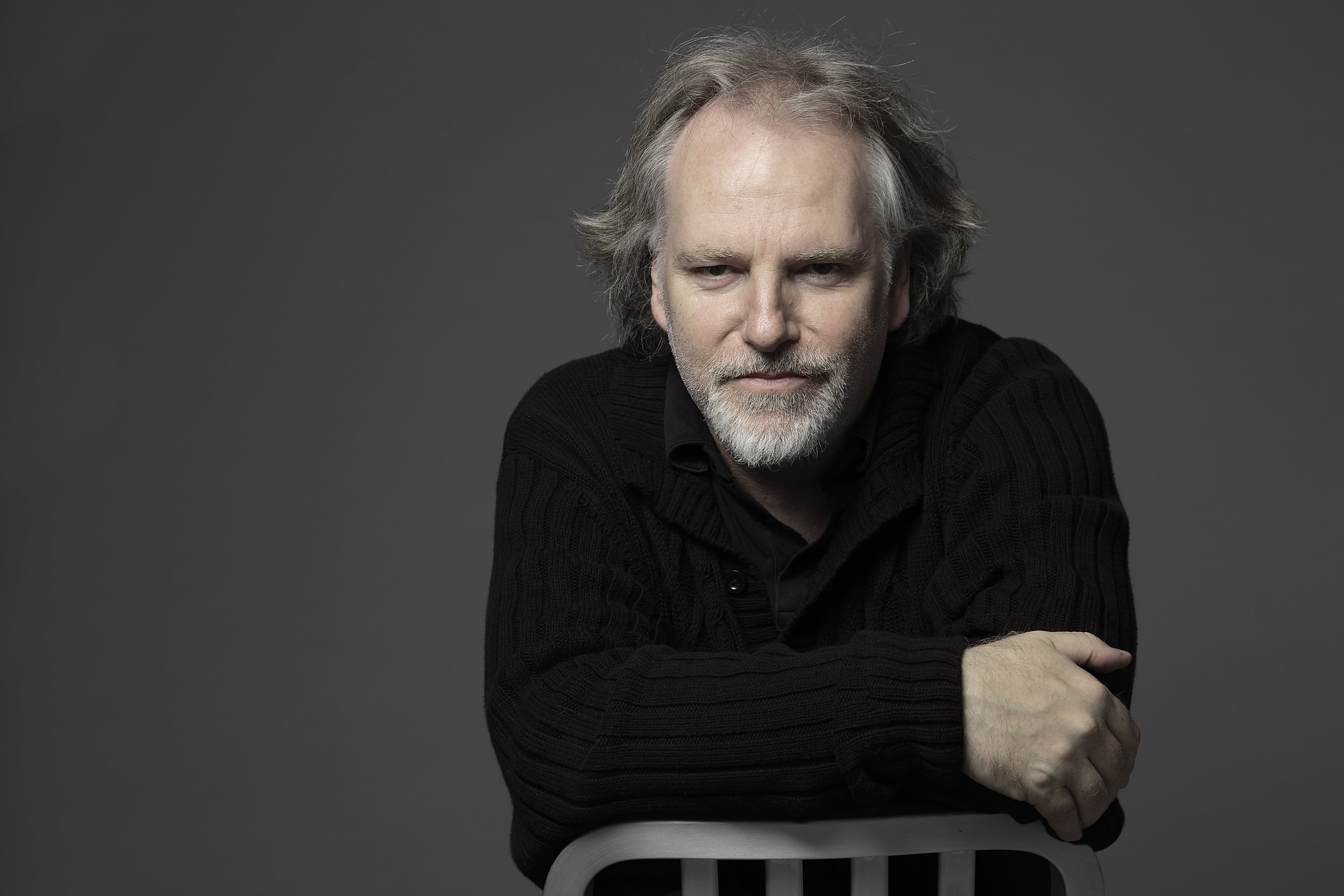
John Jennings: “The Cipher Back to Here”

MIT Media Lab, Room 633 75 Amherst St., Cambridge, MA

John Jennings is an Associate Professor of Art and Visual Studies at the University at Buffalo-State University of New York. He is the co-author of the graphic novel The Hole: Consumer Culture, Vol. 1.
Is There a Future for In-Depth Science Journalism?

MIT Building 3, Room 270 33 Massachusetts Ave (Rear), Cambridge, MA

The leadership and reporting team of STAT -- a new publication that focuses on health, medicine and scientific discovery -- will discuss the publication’s progress and how the field of science journalism is changing.

Lisa Parks: “Drone Matters: Vertical Mediation in the Horn of Africa”

MIT Building 56, Room 114 Access via 21 Ames Street, Cambridge, MA

Lisa Parks is interested both in the discourses that have been used to expose covert US drone interventions and in the ways that drone operations themselves function as technologies of mediation.

Caroline Jack: “How Facts Survive in Public Service Media”

MIT Building 56, Room 114 Access via 21 Ames Street, Cambridge, MA

When the Ad Council bombarded television viewers with messages on economic literacy, was it information or propaganda? One way to answer that question is to look at corporate managers and executives as consequential social actors.

Vincent Brown: “Designing Histories of Slavery for the Database Age”

MIT Building 56, Room 114 Access via 21 Ames Street, Cambridge, MA

By wrestling creatively and collectively with the difficult archival problems presented by social history of slavery, Harvard's Vincent Brown hopes to chart new pathways for pondering history’s most painful and vexing subjects.

Excellence in Teaching

MIT Building 3, Room 270 33 Massachusetts Ave (Rear), Cambridge, MA

What separates a good teacher from a great one? Former poet laureate Robert Pinsky, Weisskopf Professor of Physics Alan Guth and MIT biology professor Hazel Sive--all honored teachers--will explore these issues with Literature professor and Communications Forum director emeritus David Thorburn.

A Conversation with Guy Maddin

MIT Building 56, Room 114 Access via 21 Ames Street, Cambridge, MA

In a conversation with William Uricchio, Maddin will discuss why we should bother digging up filmic and narrative memories from oblivion.

Thomas Elsaesser: “Media Archaeology as Symptom”

MIT Building 56, Room 114 Access via 21 Ames Street, Cambridge, MA

Is media archaeology a (viable) disciplinary subject or a (valuable) symptom also of changes in our ideas of history, causality and contingency?

Lisa Glebatis Perks: “Media Marathoning and Affective Involvement”

MIT Building 56, Room 114 Access via 21 Ames Street, Cambridge, MA

Merrimack College's Lisa Perks draws from discourse gathered from over 100 marathoners to describe some of marathoners’ most common emotional experiences, including anger, empathy, parasocial mourning, nostalgia, and regret.

Michael Taussig: “Mooning Texas”

MIT Building 32 (Stata Center), Room 155 32 Vassar Street, Cambridge, MA

An adventure story involving social energy + art + Emile Durkheim’s “take” on Mauss + Hubert’s “take” on mana + the creativity of gossip.

Being Muslim in America (and MIT) in 2016

MIT Building 3, Room 270 33 Massachusetts Ave (Rear), Cambridge, MA

Cambridge City Councilman Nadeem Mazen and Wise Systems co-founder Layla Shaikley--both MIT alumni--join engineering student Abubakar Abid to explore how hateful, discriminatory rhetoric influences public opinion, discuss its impact on the lives of Muslim-Americans, and examine strategies to combat it.

CMS Graduate Thesis Presentations

MIT Building E51, Room 095 70 Memorial Drive, Cambridge, MA

Thesis presentations by the CMS Graduate Class of 2016. Topics range from interactive livestreaming to comics to gender in video games. Open to the public.

Nick Seaver: “What Do People Do All Day?”

MIT Building 56, Room 114 Access via 21 Ames Street, Cambridge, MA

Drawing on years of fieldwork with the developers of algorithmic music recommenders, Seaver describes how people make sense of new kinds of jobs.