
MIT Open House, with CMS/W Events
On April 23, 2016, MIT hosts a campus-wide open house, welcoming the public into every department to check out the coolest of the Institute's work.

MIT Graduate Program in Comparative Media Studies
Studying Media and Making Media
On April 23, 2016, MIT hosts a campus-wide open house, welcoming the public into every department to check out the coolest of the Institute's work.

The CMS Media Spectacle showcases video projects of all genres created by MIT students, staff, faculty and affiliates. Submit yours by April 20!

Fox Harrell presents outcomes from his National Science Foundation-supported Advanced Identity Representation project, which helped reveal social biases in existing systems and implements systems to respond to those biases with greater nuance and expressive power.

A panel with some of the leading creators in virtual reality -- Raney Aronson-Rath, Jessica Brillhart, Nonny de la Peña, and Caspar Sonnen -- to better understand VR’s potentials and implications for documentary and journalism.
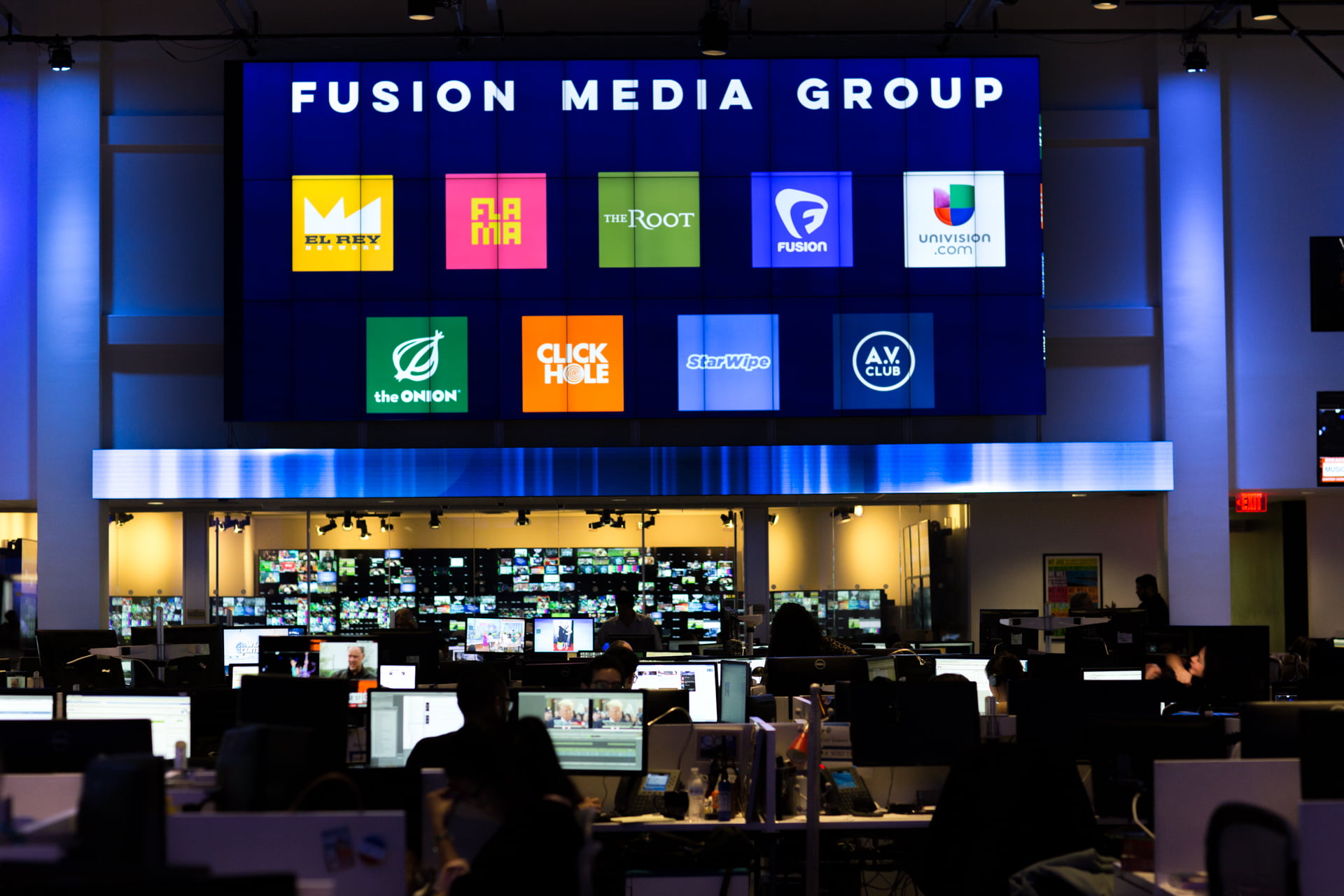
Sam Ford and Federico Rodriguez Tarditi discuss Fusion Media Group’s experiments with exploring new ways of telling stories, relationships with key publics, and new types of roles/positions in the company.
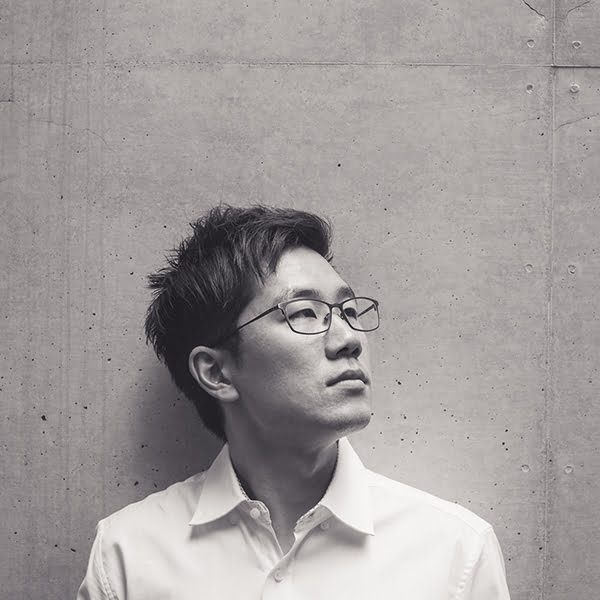
Sun-ha Hong on how "big" data and surveillance are not just about privacy and security but also redistribution of authority, credibility and responsibility.

Christine Walley, Professor of Anthropology at MIT, will present an overview of the Exit Zero Project, which "seeks to recapture the stories of a region traumatized by de-industrialization."

Douglas O’Reagan will update the audience on his efforts and invite suggestions and ideas concerning the future of digital humanities at MIT.

Baruch College's Allison Hahn on how academics might engage once-distant communities and better understand the complexity of mobile media and nomadic deliberation.
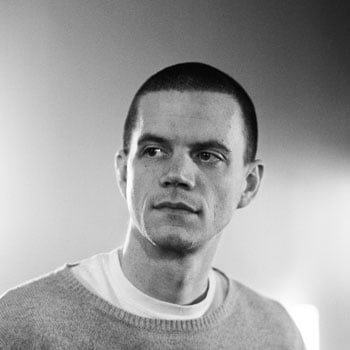
Did computers learn to see by modernity's most highly evolved technologies of vision, or, as Alexander Galloway argues, from sculpture?

International best-selling author and science historian James Gleick discusses his career, the state of science journalism, and his newest book Time Travel: A History, which delves into the evolution of time travel in literature and science and the thin line between pulp fiction and modern physics.
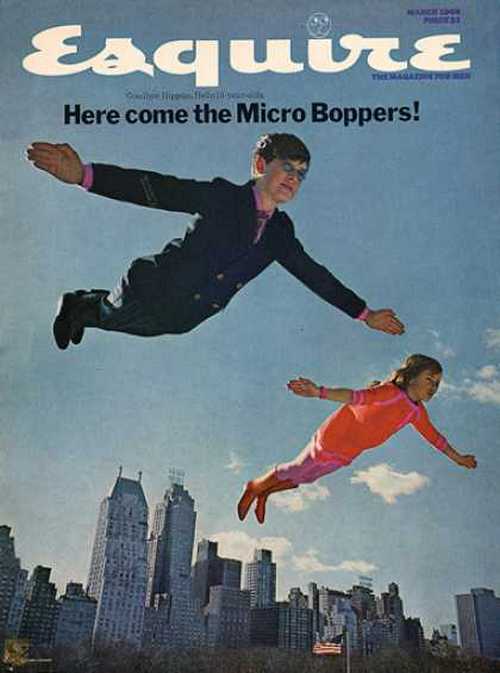
How are “tweens” represented in popular culture, including music, television, and YA literature? And how does this relatively new age category intersect with--or elide--issues pertaining to race, class, and gender identity?
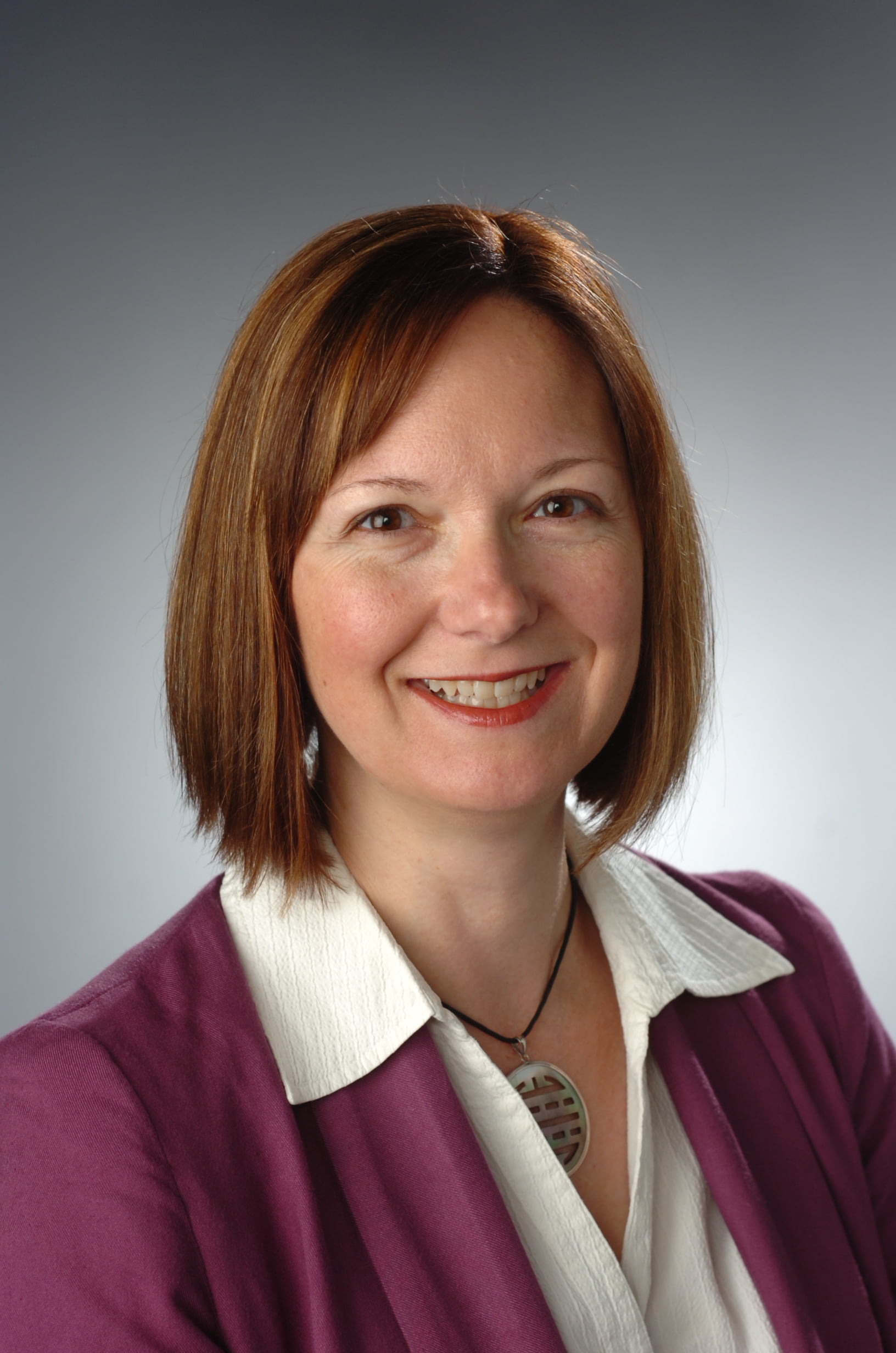
Jennifer Stromer-Galley describes the large-scale collection and machine learning techniques used to study how presidential candidates use social media.
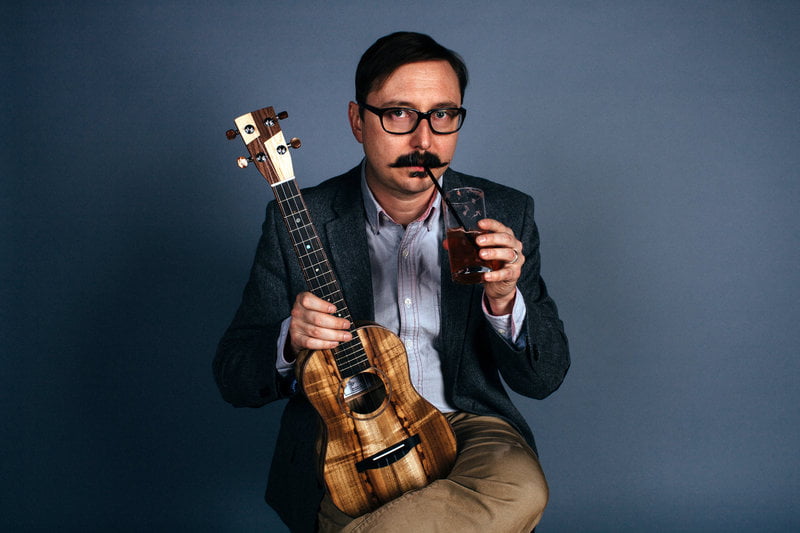
John Hodgman brings his razor-sharp wit to MIT for a moderated discussion on his career and the state of comedy today.

A great way to get to know the program, its people, and its research. This year’s is on November 17 from 10am to 12pm and will be streamed online on our Youtube channel: https://www.youtube.com/channel/UCmO0SU2gV3ZTl-EeKLcyAlQ

