
Designing Digital Humanities
MIT Building 2, Room 105 182 Memorial Drive, Cambridge, MAJohanna Drucker tells us how designers have a major role to play in the collaborative envisioning of new formats and processes.

MIT Graduate Program in Comparative Media Studies
Studying Media and Making Media
Johanna Drucker tells us how designers have a major role to play in the collaborative envisioning of new formats and processes.
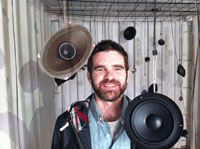
Dave Tompkins' How To Wreck A Nice Beach is about hearing things, from a misunderstood technology which in itself often spoke under conditions of anonymity.

Yves Citton: "While machines can 'read' data, only human subjectivities can 'interpret' them."
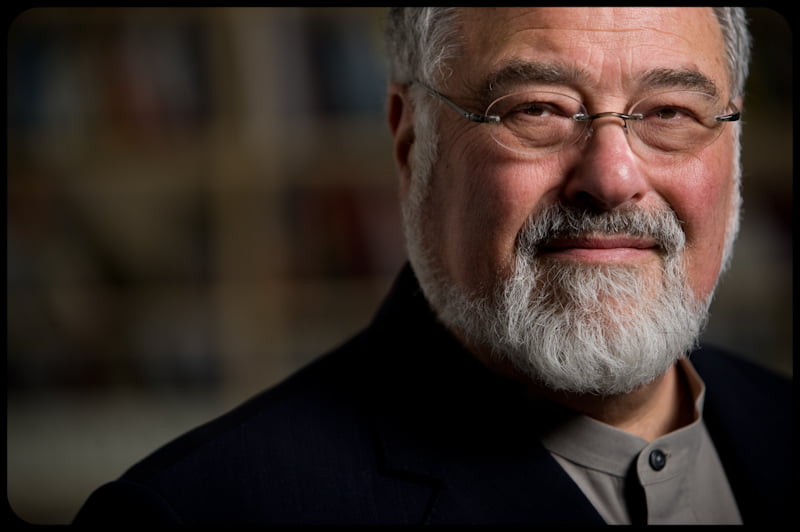
Everything we learn, know and understand is physical — a matter of brain circuitry. This basic fact has deep implications for how politics is understood, how campaigns are framed, why conservatives and progressives talk past each other, and why progressives have more problems framing messages than conservatives do — and what they can do about it.
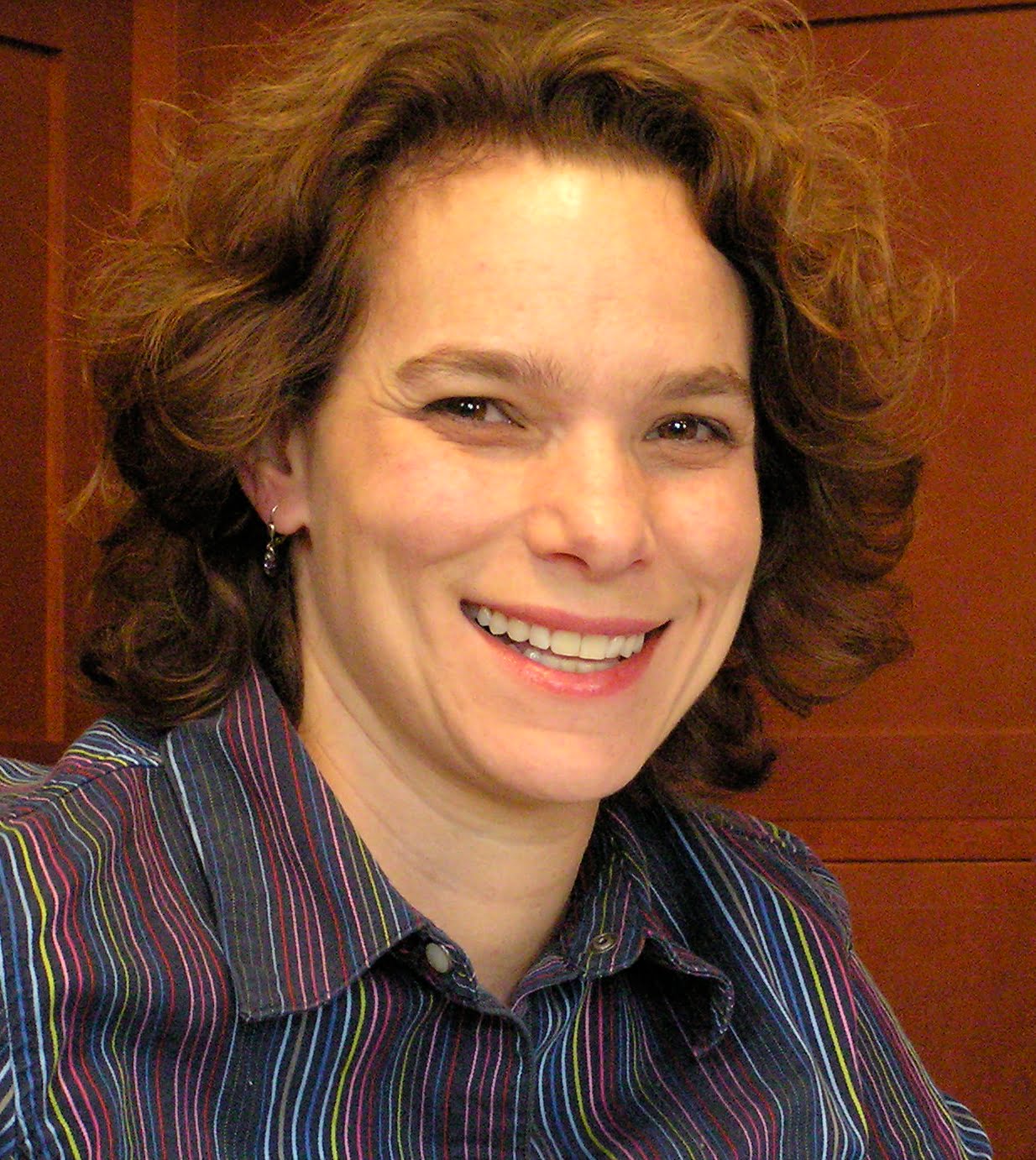
Nancy Baym asks, "How does direct access to fans change what it means to be an artist? What rewards are there that weren't before?"
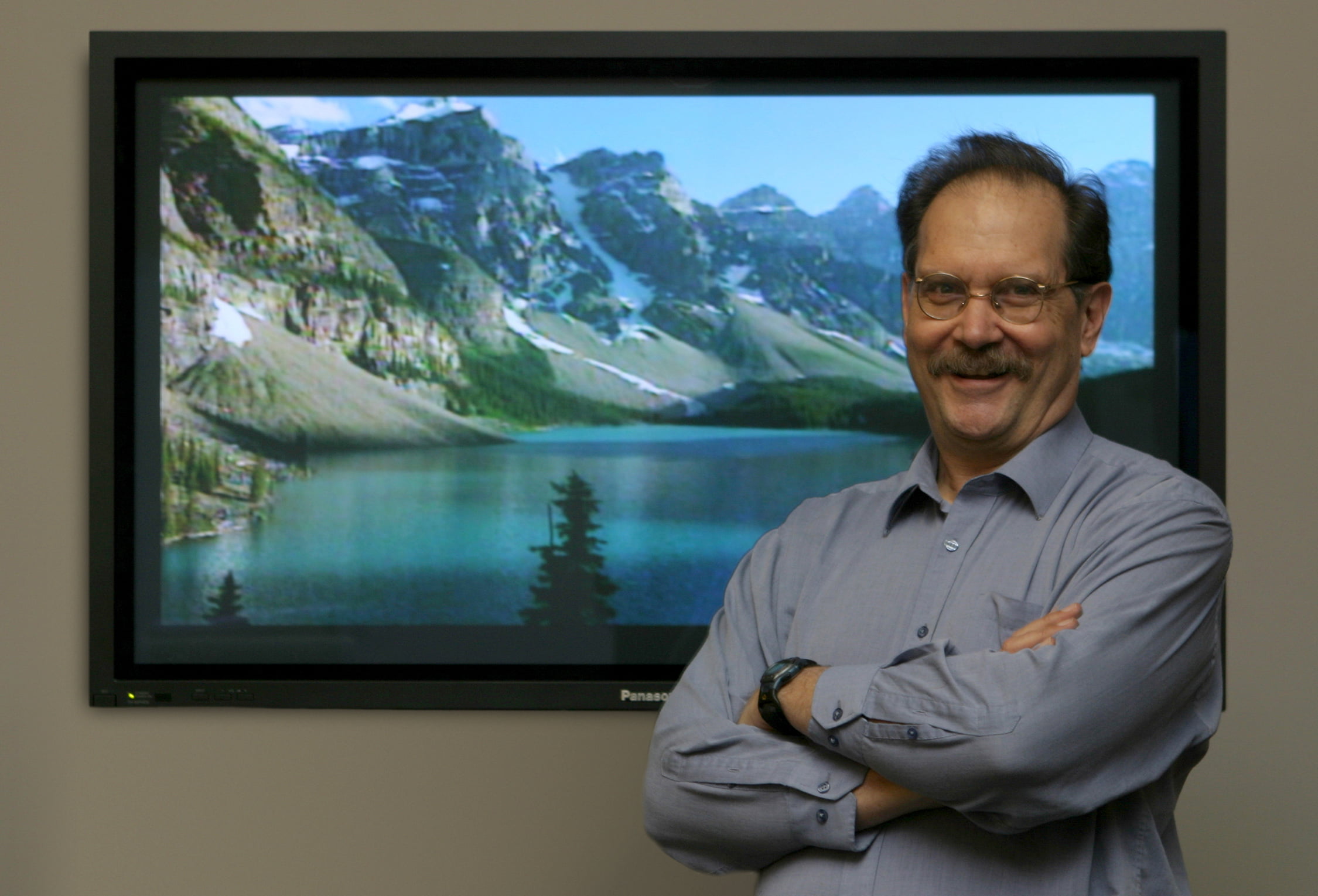
Close reading requires that the scholar immerse herself in the experience of the text on its own terms, and at the same time maintain a critical distance.
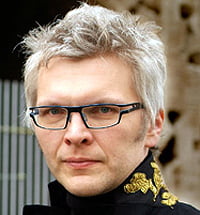
Gediminas Urbonas is artist and educator, and co-founder of Urbonas Studio, an interdisciplinary research program that advocates for the reclamation of public culture.
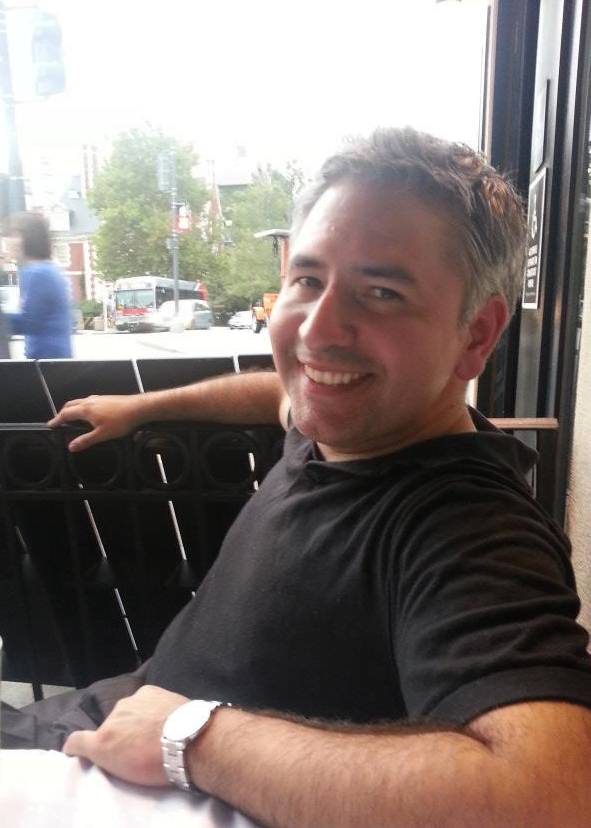
Hector Postigo's presentation develops a framework for understanding how social media’s technical feature-sets create a system of capture and conversion.
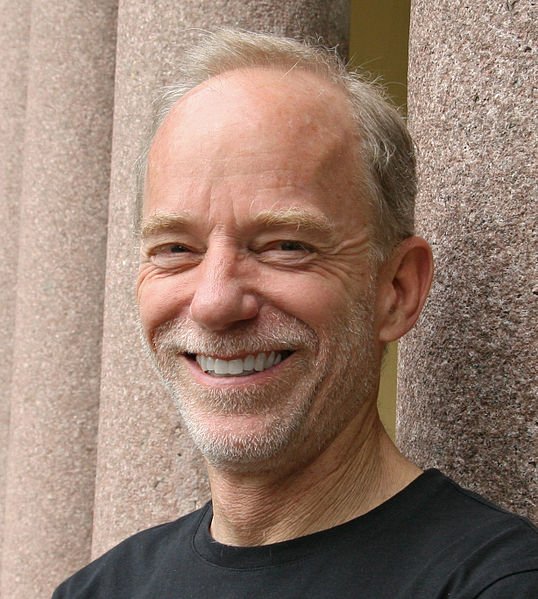
Mark Turner's research on the cognitive underpinnings of network news, with an emphasis on blended joint attention, story-telling, counterfactuality, and hypotheticals.

Independent film-maker Andrew Silver will discuss emerging forms of hybrid media, some promising new pathways for distributing films and his career as a director and producer.

Marcella Szablewicz: "Are games the imagined utopia they are made out to be in these nostalgic accounts or might these affective attachments prove to be a form of what Lauren Berlant has called cruel optimism?"
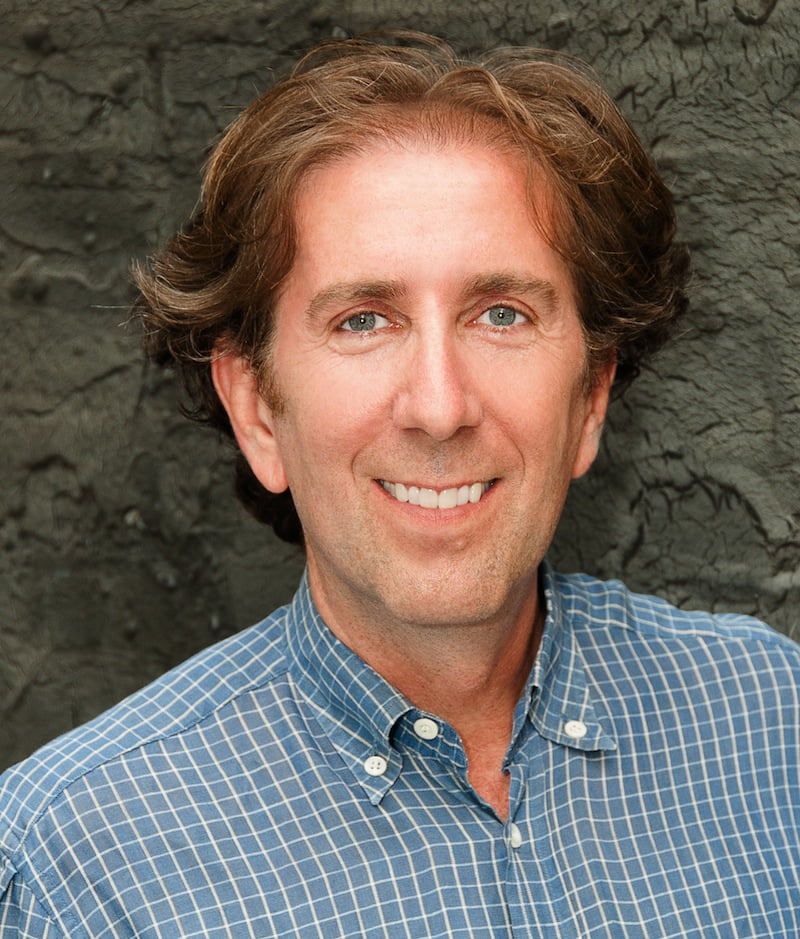
D.T. Max, staff writer at the New Yorker, looks at David Foster Wallace and irony, with an eye especially on his 1990's attacks on David Letterman and the novelist Mark Leyner.

David Novak on the "cultural feedback" of noise music through its recorded forms, technologies of live performance, and creative practices of musicians and listeners.

Mary L. Gray Recent provocations (boyd and Crawford, 2011) about the role of "big data" in human communication research and technology studies deserve an outline of the value of anthropology, […]

Much of the general public in fact believes that every film and television program ever made has already been digitized and is now available in Netflix’s catalog. That is hardly the case.

