
Games and Journalism
MIT Media Lab, Room 633 75 Amherst St., Cambridge, MAHeather Chaplin on "emerging thinking on ideas about game literacies and the acceptance of games as facilitators of transformative experiences."

MIT Graduate Program in Comparative Media Studies
Studying Media and Making Media
Heather Chaplin on "emerging thinking on ideas about game literacies and the acceptance of games as facilitators of transformative experiences."

Sasha Costanza-Chock investigates media practices in the Occupy movement and develops an analytical framework of social movement media culture.

Kelley will show selections of his recent projects and related narrative and ethnographic films, as well as rehearse a lecture/performance about architectural morphology and global tourism.
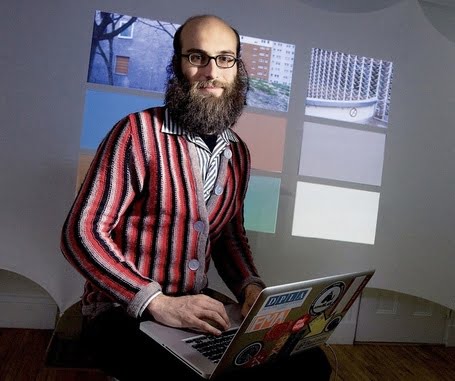
The urban database documentary is a mode of media art practice that uses structural systems as generative processes and organizational frameworks to explore the lived experience of place.

How can professional reporters and editors help to assure that quality journalism will be recognized and valued in our brave new digital world?

Johanna Drucker tells us how designers have a major role to play in the collaborative envisioning of new formats and processes.

Media Spectacle prizes include the Chris Pomiecko Award for Best Undergraduate Entry, as well as awards for Best Non-undergraduate Entry, Animation, and more.

"Informed commentators suggest that this may be the most important gathering of humanity since the fall of the tower of Babel."

How has electronic literature influenced other media, including the Web and the book? What are the implications of having literary projects in the digital sphere alongside other forms of communication and art?

Dave Tompkins' How To Wreck A Nice Beach is about hearing things, from a misunderstood technology which in itself often spoke under conditions of anonymity.

Yves Citton: "While machines can 'read' data, only human subjectivities can 'interpret' them."
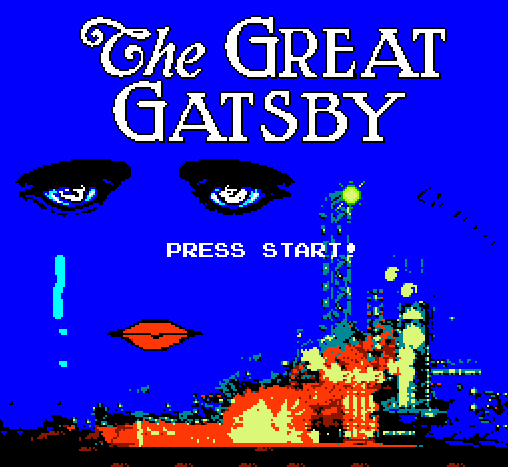
The games showcased in this exhibit demonstrate that there is a wide variety of approaches one can follow in adapting literary works into games.

Everything we learn, know and understand is physical — a matter of brain circuitry. This basic fact has deep implications for how politics is understood, how campaigns are framed, why conservatives and progressives talk past each other, and why progressives have more problems framing messages than conservatives do — and what they can do about it.

Nancy Baym asks, "How does direct access to fans change what it means to be an artist? What rewards are there that weren't before?"
September 20, 2012. If you would like to attend an on-campus info session, please RSVP to cms-admissions@mit.edu.

