
Michael Taussig: “Mooning Texas”
MIT Building 32 (Stata Center), Room 155 32 Vassar Street, Cambridge, MAAn adventure story involving social energy + art + Emile Durkheim’s “take” on Mauss + Hubert’s “take” on mana + the creativity of gossip.

MIT Graduate Program in Comparative Media Studies
Studying Media and Making Media
An adventure story involving social energy + art + Emile Durkheim’s “take” on Mauss + Hubert’s “take” on mana + the creativity of gossip.

Cambridge City Councilman Nadeem Mazen and Wise Systems co-founder Layla Shaikley--both MIT alumni--join engineering student Abubakar Abid to explore how hateful, discriminatory rhetoric influences public opinion, discuss its impact on the lives of Muslim-Americans, and examine strategies to combat it.

Thesis presentations by the CMS Graduate Class of 2016. Topics range from interactive livestreaming to comics to gender in video games. Open to the public.

Drawing on years of fieldwork with the developers of algorithmic music recommenders, Seaver describes how people make sense of new kinds of jobs.
Closed to the public.

On April 23, 2016, MIT hosts a campus-wide open house, welcoming the public into every department to check out the coolest of the Institute's work.

The CMS Media Spectacle showcases video projects of all genres created by MIT students, staff, faculty and affiliates. Submit yours by April 20!

Fox Harrell presents outcomes from his National Science Foundation-supported Advanced Identity Representation project, which helped reveal social biases in existing systems and implements systems to respond to those biases with greater nuance and expressive power.

A panel with some of the leading creators in virtual reality -- Raney Aronson-Rath, Jessica Brillhart, Nonny de la Peña, and Caspar Sonnen -- to better understand VR’s potentials and implications for documentary and journalism.

Sam Ford and Federico Rodriguez Tarditi discuss Fusion Media Group’s experiments with exploring new ways of telling stories, relationships with key publics, and new types of roles/positions in the company.
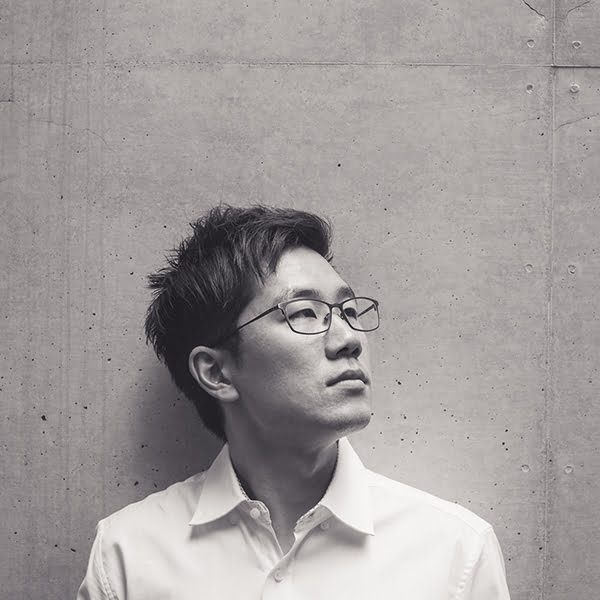
Sun-ha Hong on how "big" data and surveillance are not just about privacy and security but also redistribution of authority, credibility and responsibility.

Christine Walley, Professor of Anthropology at MIT, will present an overview of the Exit Zero Project, which "seeks to recapture the stories of a region traumatized by de-industrialization."

Douglas O’Reagan will update the audience on his efforts and invite suggestions and ideas concerning the future of digital humanities at MIT.

Baruch College's Allison Hahn on how academics might engage once-distant communities and better understand the complexity of mobile media and nomadic deliberation.
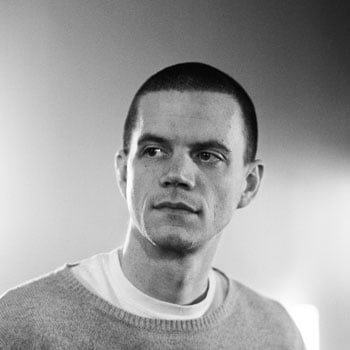
Did computers learn to see by modernity's most highly evolved technologies of vision, or, as Alexander Galloway argues, from sculpture?

