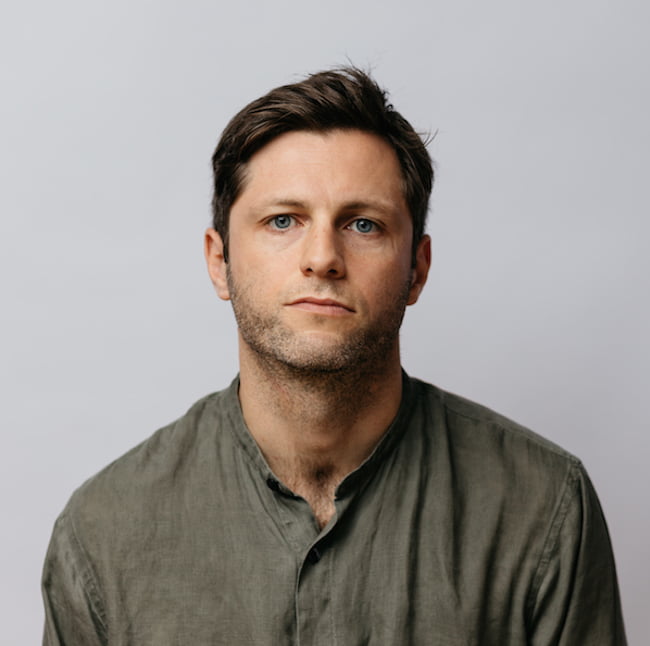
Nick Thurston, “Document Practices: The Art of Propagating Access”
Nick Thurston on his current book project, Document Practices, which explores aesthetic and political frameworks for analyzing acts of re-publishing already public documents.

MIT Graduate Program in Comparative Media Studies
Studying Media and Making Media
Nick Thurston on his current book project, Document Practices, which explores aesthetic and political frameworks for analyzing acts of re-publishing already public documents.

At this Colloquium, we publicly honor our late professor Jing Wang's life and work, featuring brief talks by some of those who knew her best.

The collision of prejudice and visibility has led to a series of controversies that involve "regulatory definitions" imposed by institutions or legislatures, some of which are the subject of Schiappa’s forthcoming book, The Transgender Exigency: Defining Sex & Gender in the 21st Century.

A talk and Q&A about Corman's graphic novels and short comics on the topics of generational and personal trauma, New York City history, Polish-Jewish life, and amateur women's wrestling.

When information became a thing that could exist at the end of your fingertips, those fingers belonged to women.

Ijeoma will share how Poetic Justice has thinking through this question by developing a series of generative sound and video portraits of linguistic and ethnic diversity in US cities, Black thought and expression in the US, liberty and equality across multiple countries, and Black lives lost to COVID-19 in the US.

Alexandra To will describe some of the game design opportunities present in centering the experiences of people of color from the beginning

Samantha N. Sheppard examines how Nottage’s play and paratexts produce a speculative fiction and archive about Black women’s media histories, staging what she calls a phantom cinema.

Are the MetaHuman Creator and similar simplified building tools democratizing the field of digital content creation? Are they fostering more diverse representations and narratives, and supporting the free play of identity in playable media?

Jorge Caraballo will draw from experience as the former Growth Editor at Radio Ambulante – Latin America's most popular documentary podcast – and highlight different ways in which storytelling can be the starting point of new collective identities.

Chute highlights what Spiegelman’s comics narrative, which is about history, reveals about the form’s capacity both to register the continuousness of history and also to function in today’s context as a text of resistance to fascism.

How MIT radio station WMBR, with a license held by an independent non-profit corporation, built a meaningful community institution despite transformations within the university, its student body and organizations, as well as regulatory changes.

Gates considers the history of her own research on Van Peebles’s films, and details the pleasures — and challenges — of trying to create a bridge between the worlds of academic film studies and more public facing consumer film culture.

Analyzing the discussion about a German anti-hate speech law called the Network Enforcement Act and the debate about a reform of Section 230 of the Communications Decency Act in the United States.

Recognizing the popularity of television, politicians learned how to use (and abuse) television entertainment to win votes, to fundraise, to promote their agenda, and to push for legislation.

