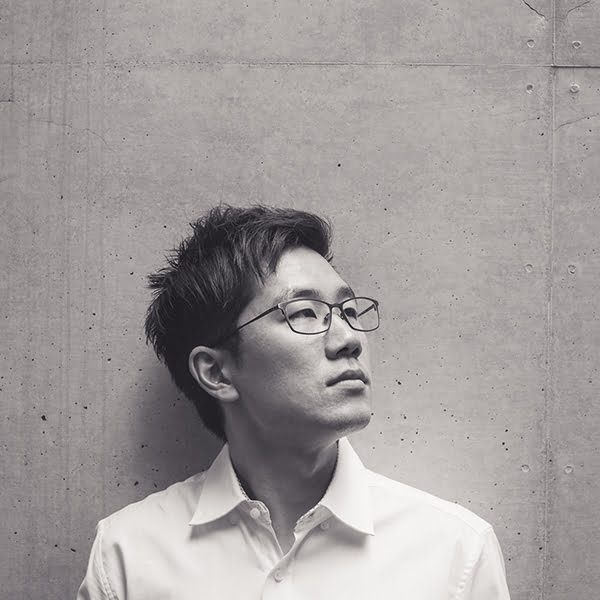
Fox Harrell: “Reflections on Advanced Identity Representation”

MIT Building 56, Room 114 Access via 21 Ames Street, Cambridge, MA

Fox Harrell presents outcomes from his National Science Foundation-supported Advanced Identity Representation project, which helped reveal social biases in existing systems and implements systems to respond to those biases with greater nuance and expressive power.
Virtual Reality Meets Documentary: A Deeper Look

MIT Building 32 (Stata Center), Room 123 32 Vassar Street, Cambridge, MA

A panel with some of the leading creators in virtual reality -- Raney Aronson-Rath, Jessica Brillhart, Nonny de la Peña, and Caspar Sonnen -- to better understand VR’s potentials and implications for documentary and journalism.

Knowledge’s Allure: Surveillance and Uncertainty

MIT Building 3, Room 133 33 Massachusetts Ave, Cambridge, MA

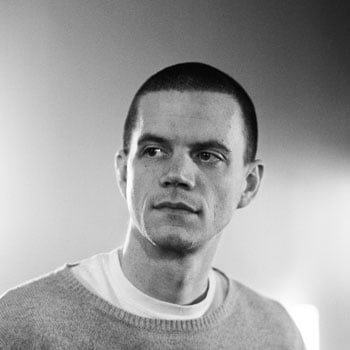
Sun-ha Hong on how "big" data and surveillance are not just about privacy and security but also redistribution of authority, credibility and responsibility.

Next Stage Planning for the Digital Humanities at MIT

MIT Building 3, Room 133 33 Massachusetts Ave, Cambridge, MA

Douglas O’Reagan will update the audience on his efforts and invite suggestions and ideas concerning the future of digital humanities at MIT.

How Did the Computer Learn to See?

MIT Building 3, Room 133 33 Massachusetts Ave, Cambridge, MA

Did computers learn to see by modernity's most highly evolved technologies of vision, or, as Alexander Galloway argues, from sculpture?

Black + Twitter: A Cultural Informatics Approach

MIT Building 3, Room 133 33 Massachusetts Ave, Cambridge, MA

André Brock, scholar of Black cyberculture, offers that Twitter's feature set and ubiquity map closely onto Black discursive identity.

Desktop Reveries: Hand, Software, and the Space of Japanese Artist Animation

MIT Building 56, Room 114 Access via 21 Ames Street, Cambridge, MA

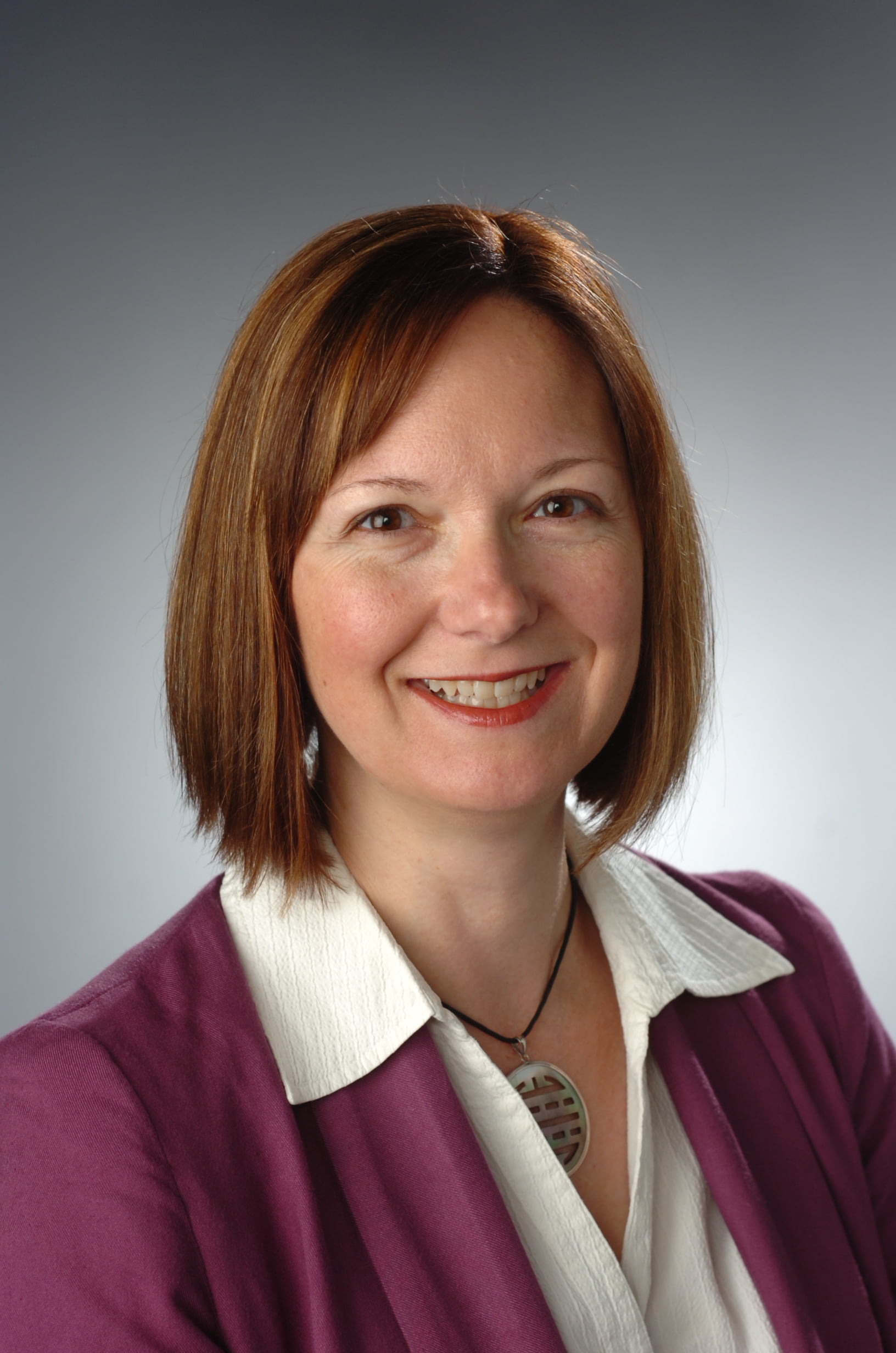
Seeking to unravel the analytical split between the "drawn" and the "digital" in animation and media studies more broadly, Paul Roquet’s project moves back and forth between two desktops: the hard surface of the drawing table and the pixelated surface of the screen.