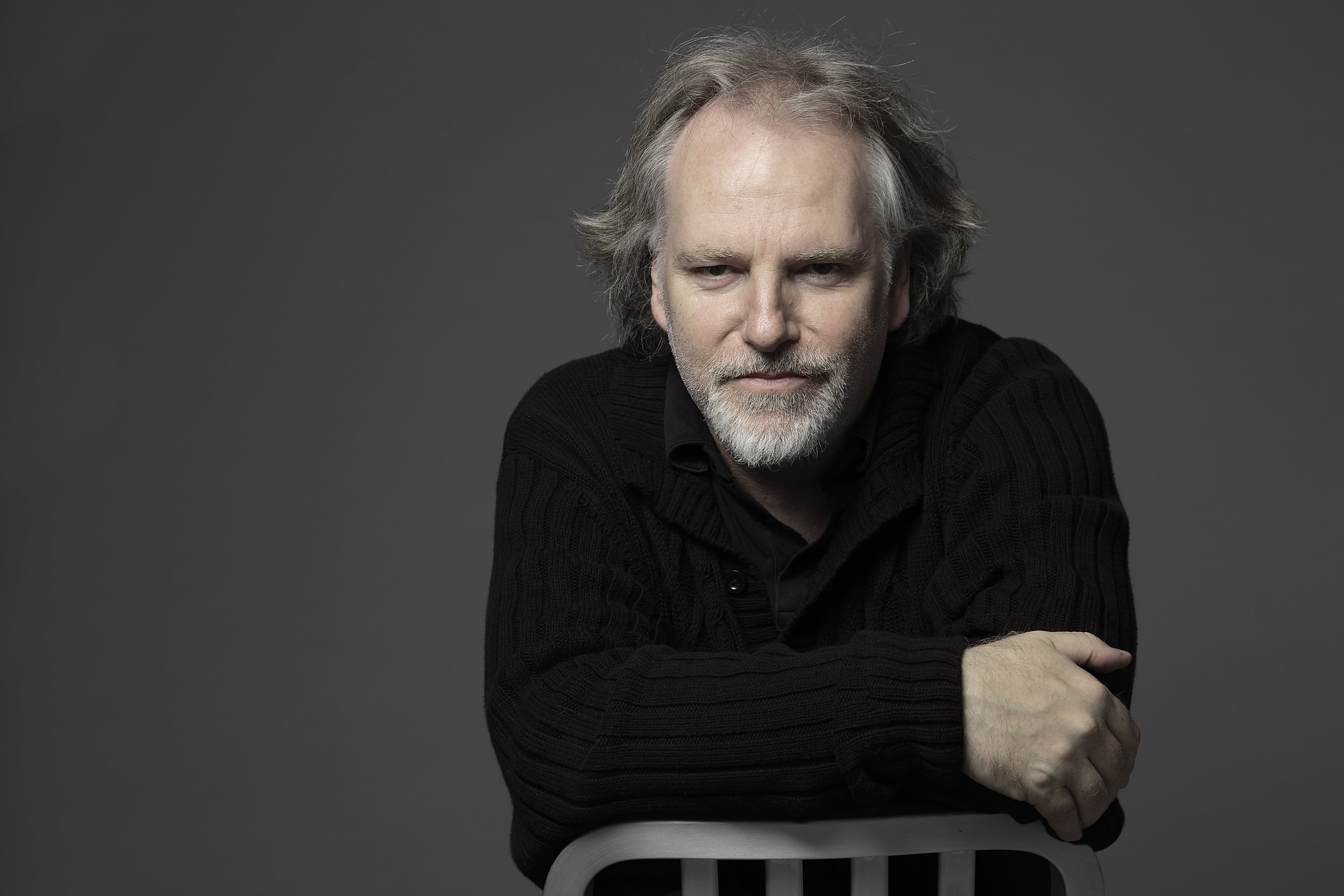
A Conversation with Guy Maddin
MIT Building 56, Room 114 Access via 21 Ames Street, Cambridge, MAIn a conversation with William Uricchio, Maddin will discuss why we should bother digging up filmic and narrative memories from oblivion.

MIT Graduate Program in Comparative Media Studies
Studying Media and Making Media
In a conversation with William Uricchio, Maddin will discuss why we should bother digging up filmic and narrative memories from oblivion.
Is media archaeology a (viable) disciplinary subject or a (valuable) symptom also of changes in our ideas of history, causality and contingency?
Merrimack College's Lisa Perks draws from discourse gathered from over 100 marathoners to describe some of marathoners’ most common emotional experiences, including anger, empathy, parasocial mourning, nostalgia, and regret.

An adventure story involving social energy + art + Emile Durkheim’s “take” on Mauss + Hubert’s “take” on mana + the creativity of gossip.

Drawing on years of fieldwork with the developers of algorithmic music recommenders, Seaver describes how people make sense of new kinds of jobs.

Closed to the public.

Fox Harrell presents outcomes from his National Science Foundation-supported Advanced Identity Representation project, which helped reveal social biases in existing systems and implements systems to respond to those biases with greater nuance and expressive power.

A panel with some of the leading creators in virtual reality -- Raney Aronson-Rath, Jessica Brillhart, Nonny de la Peña, and Caspar Sonnen -- to better understand VR’s potentials and implications for documentary and journalism.

Sam Ford and Federico Rodriguez Tarditi discuss Fusion Media Group’s experiments with exploring new ways of telling stories, relationships with key publics, and new types of roles/positions in the company.
Sun-ha Hong on how "big" data and surveillance are not just about privacy and security but also redistribution of authority, credibility and responsibility.

Christine Walley, Professor of Anthropology at MIT, will present an overview of the Exit Zero Project, which "seeks to recapture the stories of a region traumatized by de-industrialization."

Douglas O’Reagan will update the audience on his efforts and invite suggestions and ideas concerning the future of digital humanities at MIT.

Baruch College's Allison Hahn on how academics might engage once-distant communities and better understand the complexity of mobile media and nomadic deliberation.
Did computers learn to see by modernity's most highly evolved technologies of vision, or, as Alexander Galloway argues, from sculpture?
Jennifer Stromer-Galley describes the large-scale collection and machine learning techniques used to study how presidential candidates use social media.

