
From Firing Line to The O’Reilly Factor
MIT Building 4, Room 231 Cambridge, MAHow did political TV and radio move from honest intellectual combat to become a vast echo chamber? Heather Hendershot will answer this difficult question.

MIT Graduate Program in Comparative Media Studies
Studying Media and Making Media
How did political TV and radio move from honest intellectual combat to become a vast echo chamber? Heather Hendershot will answer this difficult question.

Unlike other comparative studies that rank countries quantitatively based on a simplistic assessment of broadband speeds, Stuart Brotman's Net Vitality Index measures countries qualitatively to determine how well they are performing in a global competitive environment.

On the heels of the day's graduate program information session, join us for our annual colloquium featuring five alumni of CMS, discussing their lives from MIT to their careers today.
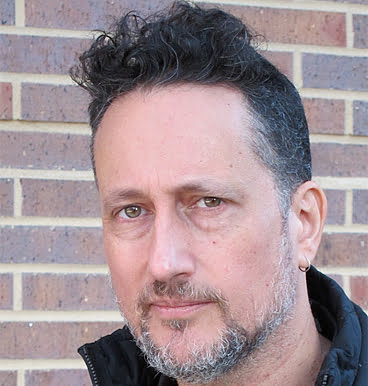
Vivek Bald discusses his transmedia project documenting the lives of Bengali Muslim ship workers and silk peddlers who entered the United States at the height of the Asian Exclusion Era and quietly settled and intermarried within African American and Puerto Rican neighborhoods from Harlem to Tremé in New Orleans and Black Bottom, Detroit.

Lisa Parks is interested both in the discourses that have been used to expose covert US drone interventions and in the ways that drone operations themselves function as technologies of mediation.

When the Ad Council bombarded television viewers with messages on economic literacy, was it information or propaganda? One way to answer that question is to look at corporate managers and executives as consequential social actors.

By wrestling creatively and collectively with the difficult archival problems presented by social history of slavery, Harvard's Vincent Brown hopes to chart new pathways for pondering history’s most painful and vexing subjects.
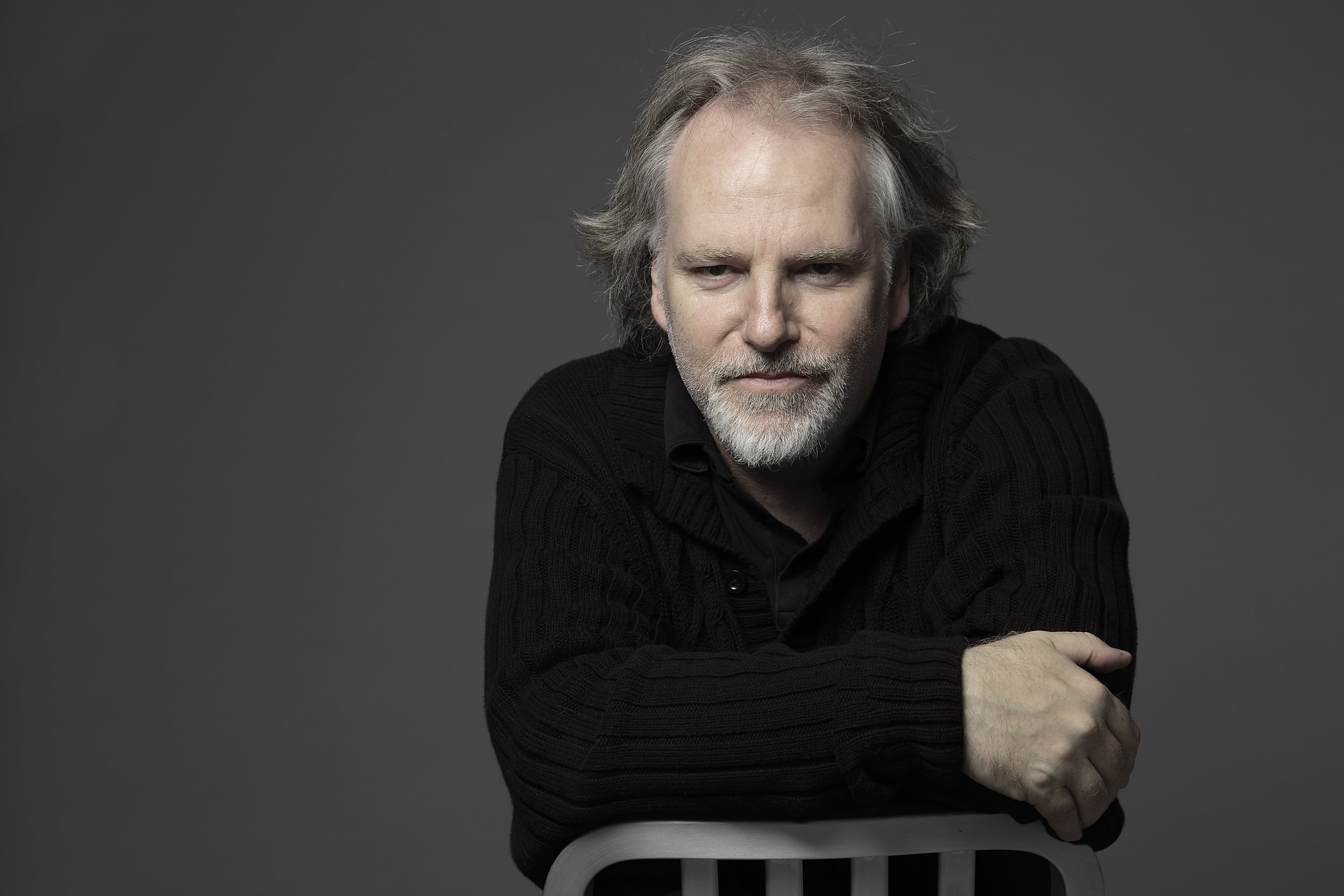
In a conversation with William Uricchio, Maddin will discuss why we should bother digging up filmic and narrative memories from oblivion.
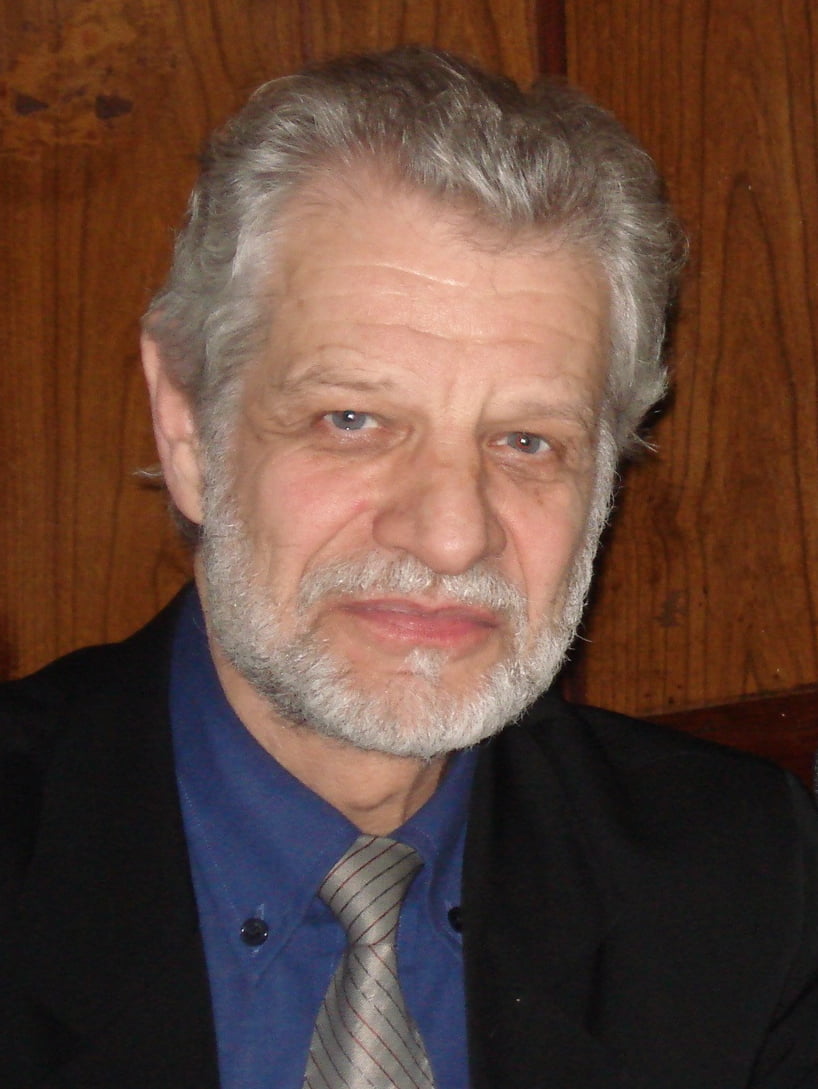
Is media archaeology a (viable) disciplinary subject or a (valuable) symptom also of changes in our ideas of history, causality and contingency?
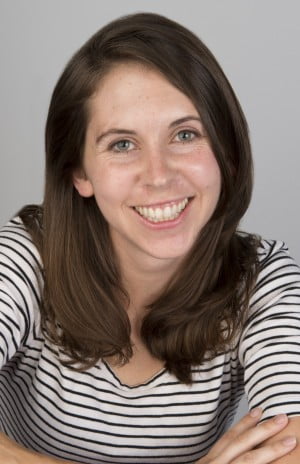
Merrimack College's Lisa Perks draws from discourse gathered from over 100 marathoners to describe some of marathoners’ most common emotional experiences, including anger, empathy, parasocial mourning, nostalgia, and regret.

An adventure story involving social energy + art + Emile Durkheim’s “take” on Mauss + Hubert’s “take” on mana + the creativity of gossip.

Drawing on years of fieldwork with the developers of algorithmic music recommenders, Seaver describes how people make sense of new kinds of jobs.

Closed to the public.

Fox Harrell presents outcomes from his National Science Foundation-supported Advanced Identity Representation project, which helped reveal social biases in existing systems and implements systems to respond to those biases with greater nuance and expressive power.

A panel with some of the leading creators in virtual reality -- Raney Aronson-Rath, Jessica Brillhart, Nonny de la Peña, and Caspar Sonnen -- to better understand VR’s potentials and implications for documentary and journalism.

