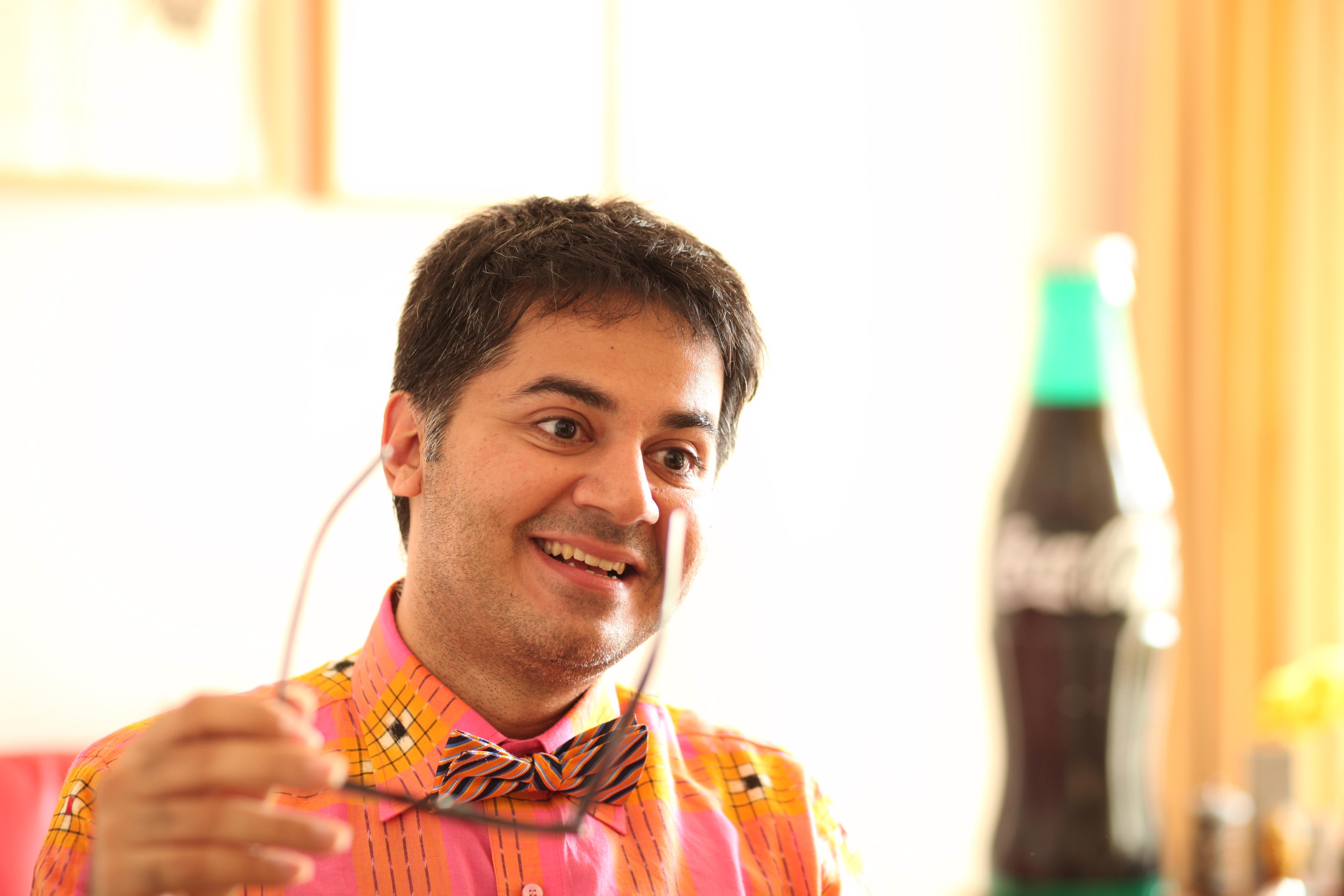
CMS Alumni Panel
MIT Building 4, Room 231 Cambridge, MAThree Comparative Media Studies alums -- Sam Ford, Rekha Murthy, and Parmesh Shahani -- return to discuss their post-graduate lives.

MIT Graduate Program in Comparative Media Studies
Studying Media and Making Media
Three Comparative Media Studies alums -- Sam Ford, Rekha Murthy, and Parmesh Shahani -- return to discuss their post-graduate lives.
For the CMS/W family only, this is the annual discussion between the program's community members and directors.

Join Bobbie Chase, Editorial Director of DC Comics, and comic book writer Marjorie Liu (Monstress, Astonishing X-Men, Black Widow) as they discuss the current and future state of the comic book medium.

Theresa Rojas examines the prolific, heavily tattooed Kat Von D, who offers an aesthetic that challenges tattoo culture and notions of the “monstrous body”.

Catherine E. Clark on how "the utopian rhetoric that accompanied the Vidéothèque’s creation helps illuminate and call into question the utopian promises of the much more recent revolution in digital history."

Coco Fusco explores the work of performance artists from the 1980s to the present and examines how the Cuban state has wielded influence over performance.

The argument that culture empties out as it becomes ever more pivotal in the creative economy has, George Yúdice thinks, been borne out.

Kevin Driscoll presents how the history of bulletin-board systems reveals the popular origins of computer-mediated social life.

Thomas DeFranz "wonders at the intertwining of African American social dances and political leadership, conceived as the bodies of elected officials."

Ryan Cordell, co-director of the Viral Texts project, will speak about his work uncovering pieces that “went viral” in nineteenth-century newspapers and magazines.

Danielle Keats Citron exposes the startling extent of personal cyber-attacks and proposes practical, lawful ways to prevent and punish online harassment.

L. Shane Greene presents a theoretical overview of various situations – particularly their political, aesthetic, and media dimensions - that arose in the production of a book about the history of anarchism and punk rock during Peru’s war with the Maoist-inspired armed group known as the Shining Path.

Hiromu Nagahara explores Japan's first “mass media revolution”, in the 1920s and '30s, when technology expanded the number of media product consumers.

Sarah Zaidan is a game designer, artist and researcher whose work explores how video games and comic books can engage in a dialogue with identity, gender and civic awareness.

How did political TV and radio move from honest intellectual combat to become a vast echo chamber? Heather Hendershot will answer this difficult question.

