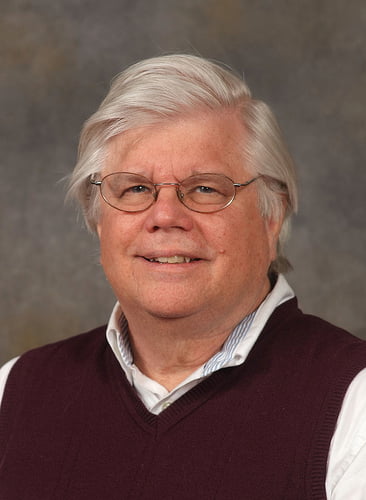
Revision, Culture, and the Machine: How Digital Makes Us Human

MIT Building 4, Room 231 Cambridge, MA

John Bryant will draw upon examples from revision studies, adaptation, and translation in order to highlight the elements of creativity, appropriation, and cultural difference that are at stake in dealing with the ethics and editing of revision.
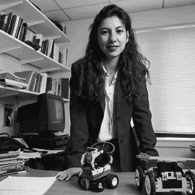
Cities and the Future of Entertainment

MIT Media Lab, Bartos Theater 20 Ames Street, Cambridge, MA

As a prologue to the Futures of Entertainment conference, this Forum will focus on the emergence of powerful new production cultures in such cities as Mumbai, Shanghai, and Rio de Janeiro.

Fandom Unbound: Otaku Culture in a Connected World

MIT Media Lab, Room 633 75 Amherst St., Cambridge, MA

By exploring the rich variety of otaku culture from multiple perspectives, Mimi Ito will provide fascinating insights into the present and future of cultural production and distribution in the digital age.

Games and Journalism

MIT Media Lab, Room 633 75 Amherst St., Cambridge, MA

Heather Chaplin on "emerging thinking on ideas about game literacies and the acceptance of games as facilitators of transformative experiences."

The Color of Seawater Through a Picture Window

MIT Media Lab, Room 633 75 Amherst St., Cambridge, MA

Kelley will show selections of his recent projects and related narrative and ethnographic films, as well as rehearse a lecture/performance about architectural morphology and global tourism.

Mapping the Urban Database Documentary

MIT Media Lab, Room 633 75 Amherst St., Cambridge, MA

The urban database documentary is a mode of media art practice that uses structural systems as generative processes and organizational frameworks to explore the lived experience of place.

Designing Digital Humanities

MIT Building 2, Room 105 182 Memorial Drive, Cambridge, MA

Johanna Drucker tells us how designers have a major role to play in the collaborative envisioning of new formats and processes.

George Lakoff, “The Brain’s Politics: How Campaigns Are Framed and Why”

MIT Media Lab, Bartos Theater 20 Ames Street, Cambridge, MA

Everything we learn, know and understand is physical — a matter of brain circuitry. This basic fact has deep implications for how politics is understood, how campaigns are framed, why conservatives and progressives talk past each other, and why progressives have more problems framing messages than conservatives do — and what they can do about it.