Science Writing Admissions Information Session

MIT Building 14E, Room 304 160 Memorial Drive, Cambridge, MA

Science Writing Admissions Information Session Come meet faculty, learn about the program and ask questions.  Light refreshments provided. November 17, 2017 2-4PM 14E-304 Can't make it in person? Participate via live stream on our YouTube Channel. We'll have a chat window open, so you can participate as if you were in the room.

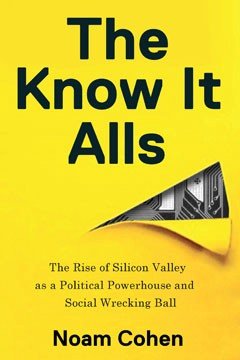
Has Silicon Valley Lost Its Humanity?

MIT Building 3, Room 270 33 Massachusetts Ave (Rear), Cambridge, MA

Author Noam Cohen, technology critic Sara M. Watson, and technology journalist Christina Couch discuss the rise of Silicon Valley and whether the drive for innovation degrades our humanity.

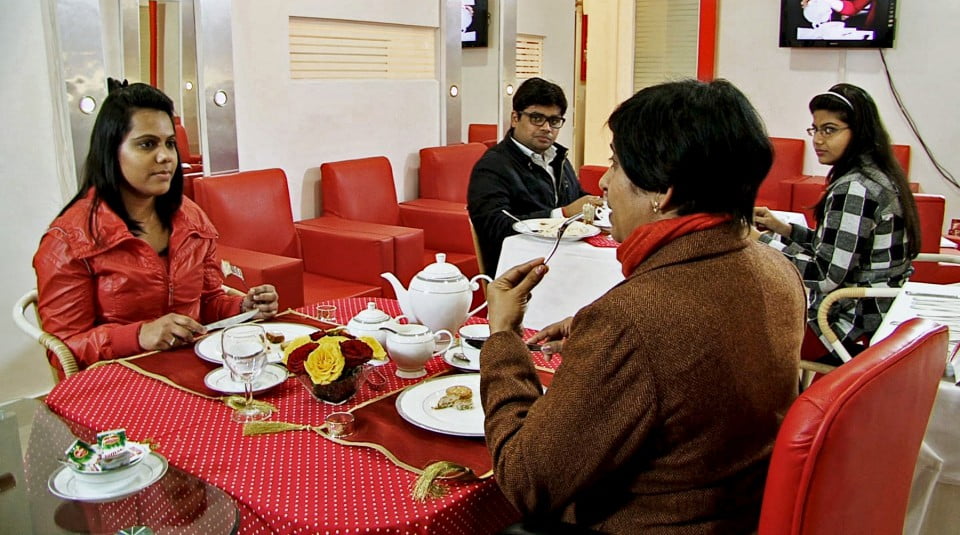
India and Indianisms: Documentary Master Classes

Open area opposite E15-320 20 Ames Street, Cambridge, MA

Come attend screenings of documentary films followed by discussions on a few things that define India today – love, innovation and spies.

ICTs for Refugees and Displaced Persons

MIT Building 56, Room 114 Access via 21 Ames Street, Cambridge, MA

Carleen Maitland introduces the terms "digital refugee" and "digital humanitarian brokerage" as she previews her new edited volume Digital Lifeline? ICTs for Refugees and Displaced Persons.

The (Non)Americans: Tracking and Analyzing Russian Influence Operations on Twitter

MIT Building 56, Room 114 Access via 21 Ames Street, Cambridge, MA

University of North Carolina's Deen Freelon will explain how he and his collaborators are addressing challenges to analyzing Russian political influence operations and present key preliminary findings from their ongoing project focused on this campaign.

Designing for a Neurodiverse World

MIT Building 3, Room 270 33 Massachusetts Ave (Rear), Cambridge, MA

Sometimes simple changes can significantly expand accessibility to people who have neurological differences like autism, dyslexia, ADHD, or epilepsy, but designers and policymakers frequently aren’t aware of issues affecting this neurodiverse community.

The Tip of the Iceberg: Sound Studies and the Future of Afrofuturism

MIT Building 56, Room 114 Access via 21 Ames Street, Cambridge, MA

andré carrington's research on the cultural politics of race in science fiction radio drama aims to expand the repertoire of literary adaptation studies by reintegrating critical perspectives from marginal and popular sectors of the media landscape into the advancing agendas of Afrofuturism and decolonization.

Visual Representations of Race and Gender: Analyzing “Me” in #IfTheyGunnedMeDown on Tumblr

MIT Building 56, Room 114 Access via 21 Ames Street, Cambridge, MA

Jenny Korn uses critical race theories and intersectional feminist theories to analyze the visual and textual content of the blog #IfTheyGunnedMeDown to reveal constructions of social justice, respectability politics, media biases, racial stereotypes, viral popularity, and hashtag activism on Tumblr.

Sound, the First Rule of Immersion

Open Doc Lab: MIT Building E15, Room 318 20 Ames Street, Cambridge, MA

Some say sound is 50% of immersion in VR but also AR and XR. How does it translate to new platforms? How should we think of music, sound, audio and texture in immersive media productions? With its patented sound design, HeadSpace Studio has been designing sound spaces and 360 environments for pioneering experiences.

Music Fandom and the Shaping of Online Culture

MIT Building 56, Room 114 Access via 21 Ames Street, Cambridge, MA

Nancy Baym: "By the time musicians and industry figures realized they could use the internet to reach audiences directly, those audiences had already established their presences and social norms online, putting them in unprecedented positions of power."