Sandra Gaudenzi: “From Interaction to Personalization: What Happens When We Become Part of the Story”
What happens to our understanding of reality when we become the protagonists of hypothetical worlds?

MIT Graduate Program in Comparative Media Studies
Studying Media and Making Media
What happens to our understanding of reality when we become the protagonists of hypothetical worlds?

Kristin Cashore and Kenneth Kidd on why dystopias, devastating apocalyptic visions, and tales of personal trauma are such a staple of young adult literature.
Digital Me, an interactive documentary, is a private experience that uses personalization to make you reflect on your multiple and hybrid (digital/physical) personalities while guaranteeing you the ownership of the data that is retrieved about yourself.

The argument that culture empties out as it becomes ever more pivotal in the creative economy has, George Yúdice thinks, been borne out.

From data storytelling to driverless cars, the ten members of the CMS class of 2015 present on their graduate work. Free and open to the public.
Watch live! Thesis Presentations of the Comparative Media Studies Graduate Class of 2015 April 3, 2014 MIT Student Center Mezzanine Lounge 9:00 Coffee and Conversation 9:15 Presentations by: Chelsea Barabas Mirror Mirror on the Wall: A Study of Bias and Perceptions of Merit in the High-tech Labor Market Desiree Gonzalez Museum Making: Creating with […]

Kevin Driscoll presents how the history of bulletin-board systems reveals the popular origins of computer-mediated social life.

Jeff VanderMeer will discuss his role as one of the leading practitioners of “weird fiction,” the environmental and ecological concerns that inform his work, and his massive crossover success.

Thomas DeFranz "wonders at the intertwining of African American social dances and political leadership, conceived as the bodies of elected officials."

Ryan Cordell, co-director of the Viral Texts project, will speak about his work uncovering pieces that “went viral” in nineteenth-century newspapers and magazines.

Danielle Keats Citron exposes the startling extent of personal cyber-attacks and proposes practical, lawful ways to prevent and punish online harassment.
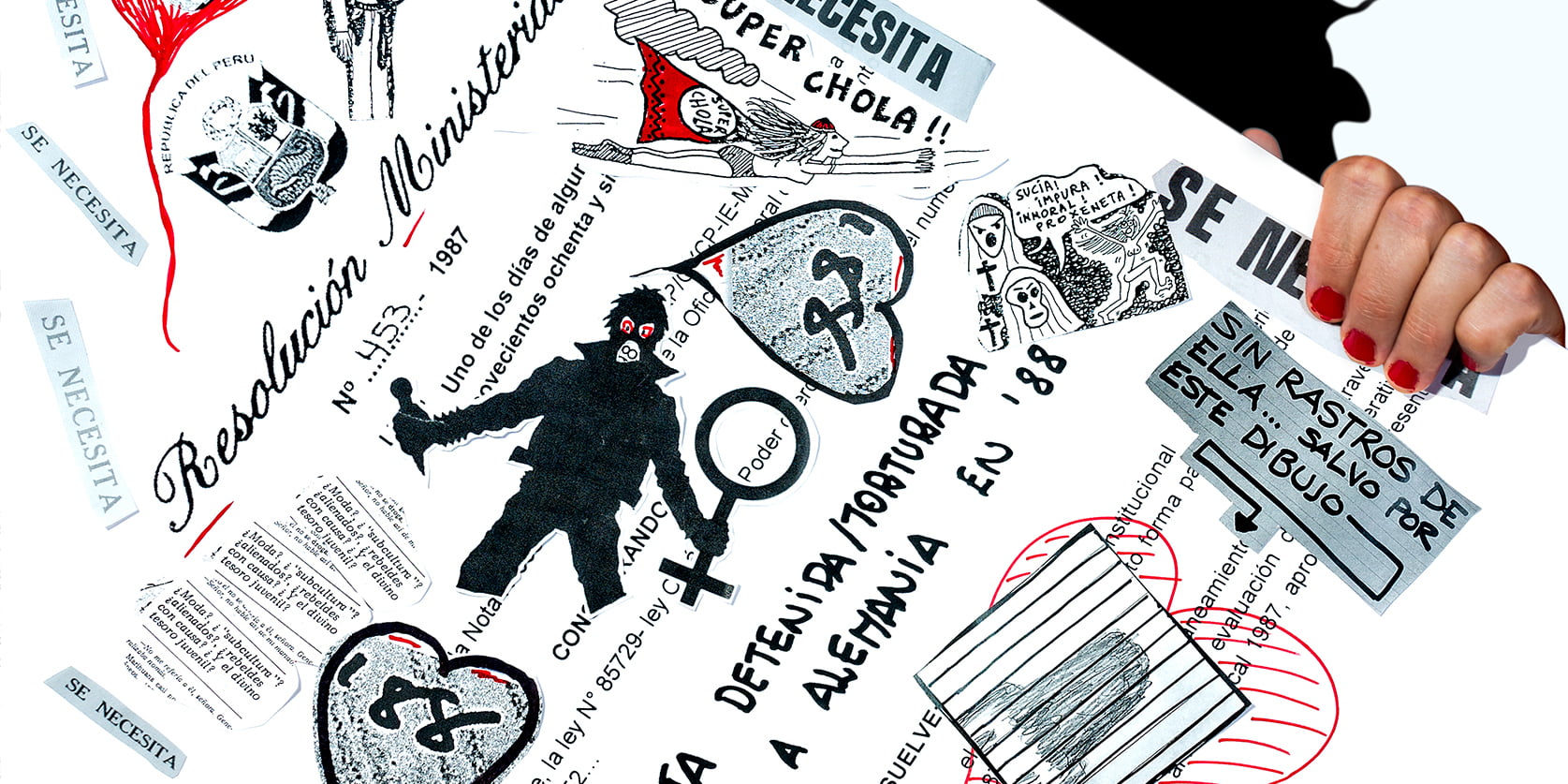
L. Shane Greene presents a theoretical overview of various situations – particularly their political, aesthetic, and media dimensions - that arose in the production of a book about the history of anarchism and punk rock during Peru’s war with the Maoist-inspired armed group known as the Shining Path.
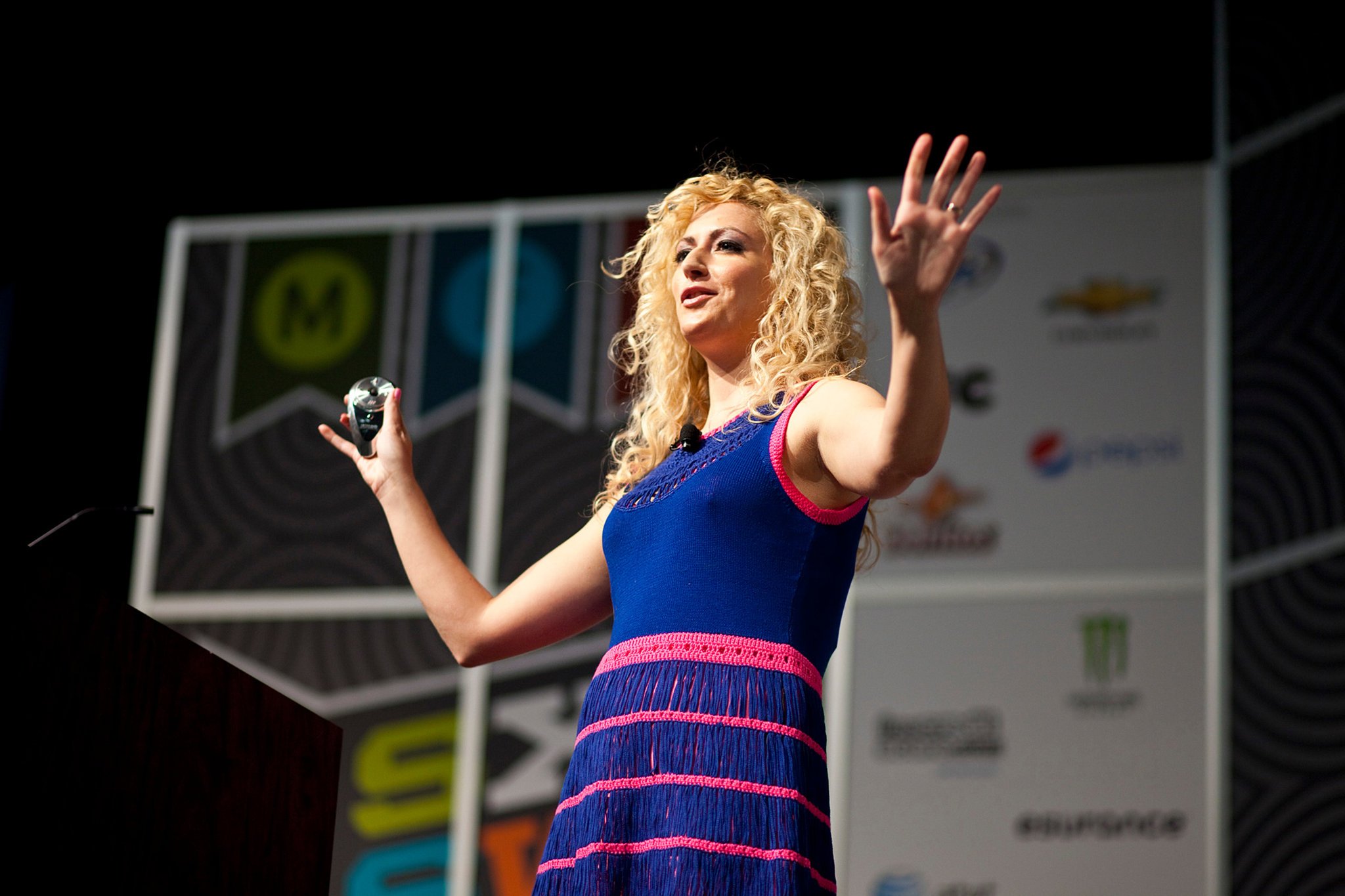
Join us and Harvard Book Store as it hosts Jane McGonigal to discuss "SuperBetter" with our own Scot Osterweil of The Education Arcade.
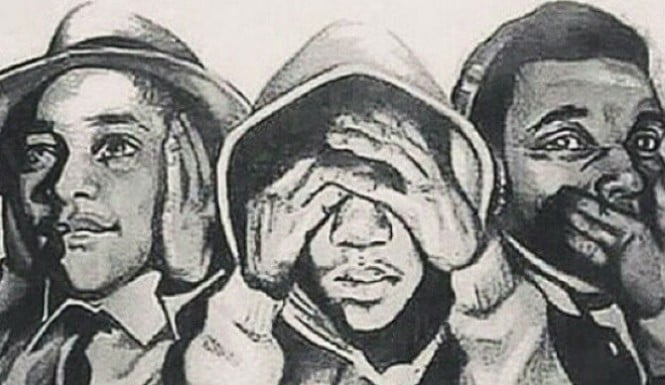
Is the de facto segregation that exists in many Northern cities a result of the lack of forced integration of the type that took place in the South?

Hiromu Nagahara explores Japan's first “mass media revolution”, in the 1920s and '30s, when technology expanded the number of media product consumers.

