Syria and the Right to the Image
MIT Building 32 (Stata Center), Room 141 32 Vassar Street, Cambridge, MAFilm screening and discussion with Charif Kiwan, Spokesperson, Abounaddara, Syrian Film Collective. Hosted by MIT Global Studies and Languages.

MIT Graduate Program in Comparative Media Studies
Studying Media and Making Media
Film screening and discussion with Charif Kiwan, Spokesperson, Abounaddara, Syrian Film Collective. Hosted by MIT Global Studies and Languages.

How did political TV and radio move from honest intellectual combat to become a vast echo chamber? Heather Hendershot will answer this difficult question.

Unlike other comparative studies that rank countries quantitatively based on a simplistic assessment of broadband speeds, Stuart Brotman's Net Vitality Index measures countries qualitatively to determine how well they are performing in a global competitive environment.
Women are chronically underrepresented in U.S. politics. Yet TV shows, fictions, and films have leapt ahead of the electoral curve. Political consultant Mary Anne Marsh and children/teens book author Ellen Emerson White look at the connections (if any) we can draw between representation and reality.
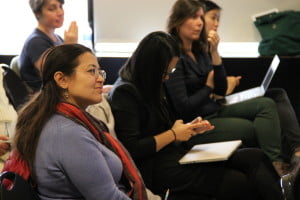
Come join us for snacks, ask questions, and learn about the CMS Master's Program. Slots are limited. Register now at Eventbrite! This program will be livestreamed, with a moderated chat room at: http://www.ustream.tv/channel/cEyEXhb4ryX.

On the heels of the day's graduate program information session, join us for our annual colloquium featuring five alumni of CMS, discussing their lives from MIT to their careers today.
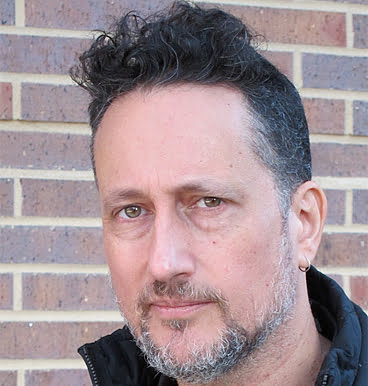
Vivek Bald discusses his transmedia project documenting the lives of Bengali Muslim ship workers and silk peddlers who entered the United States at the height of the Asian Exclusion Era and quietly settled and intermarried within African American and Puerto Rican neighborhoods from Harlem to Tremé in New Orleans and Black Bottom, Detroit.
The aim of this course is to provide an opportunity to explore (and a community with which to do so) the longstanding dialogue in the humanities commonly known as "theory," using inroads offered by certain modifiers (queer theory, feminist theory, media theory, critical race theory, affect theory and so forth).

The Global Game Jam (GGJ) is the world's largest game jam event taking place around the world at physical locations. Think of it as a hackathon focused on game development. The GGJ encourages people with all kinds of backgrounds to participate and contribute to this global spread of game development and creativity.

John Jennings is an Associate Professor of Art and Visual Studies at the University at Buffalo-State University of New York. He is the co-author of the graphic novel The Hole: Consumer Culture, Vol. 1.
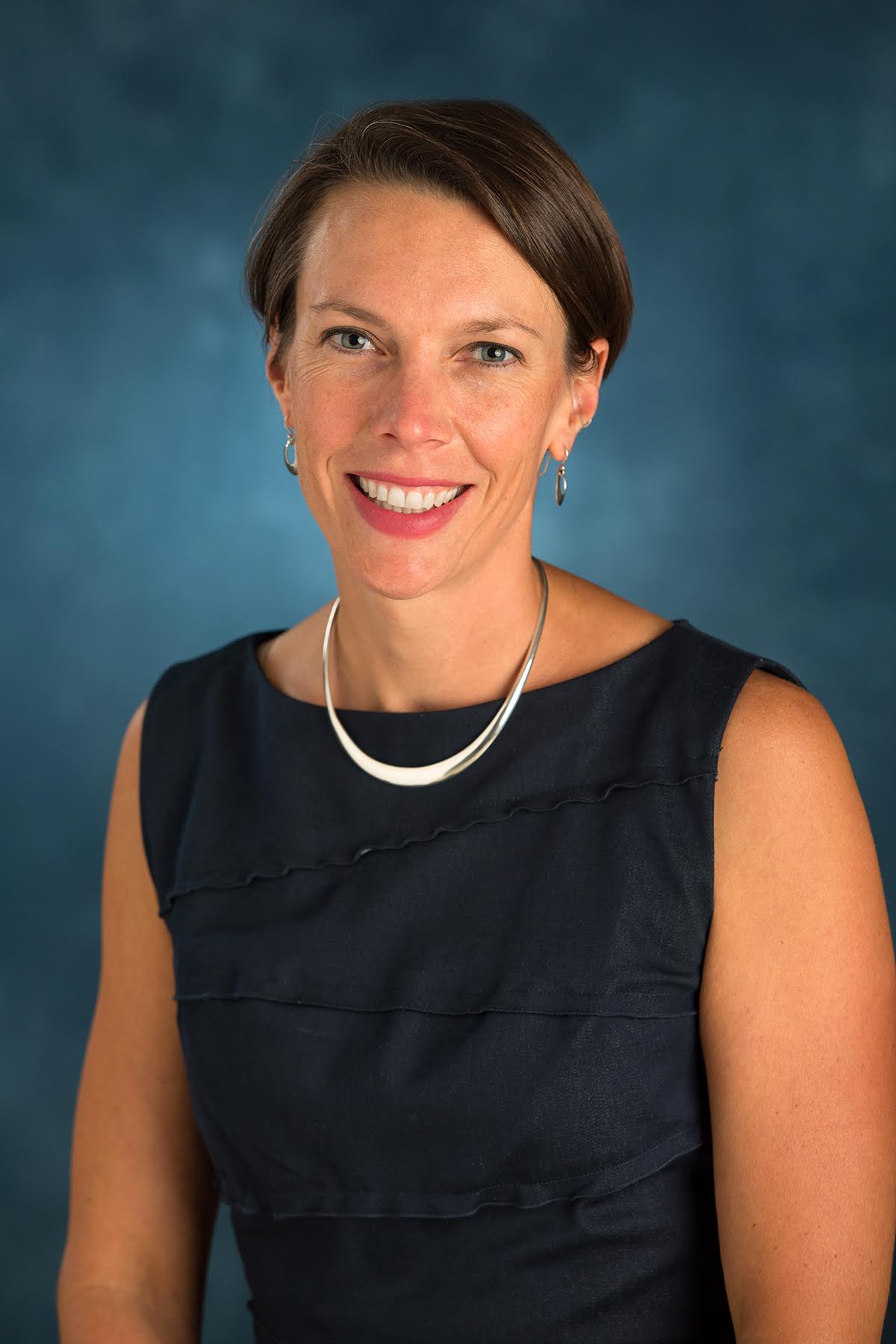
Amanda Lotz on what transpired when the long anticipated face off between "new media" and television finally took place in 2010.
The leadership and reporting team of STAT -- a new publication that focuses on health, medicine and scientific discovery -- will discuss the publication’s progress and how the field of science journalism is changing.

Lisa Parks is interested both in the discourses that have been used to expose covert US drone interventions and in the ways that drone operations themselves function as technologies of mediation.

When the Ad Council bombarded television viewers with messages on economic literacy, was it information or propaganda? One way to answer that question is to look at corporate managers and executives as consequential social actors.

By wrestling creatively and collectively with the difficult archival problems presented by social history of slavery, Harvard's Vincent Brown hopes to chart new pathways for pondering history’s most painful and vexing subjects.

