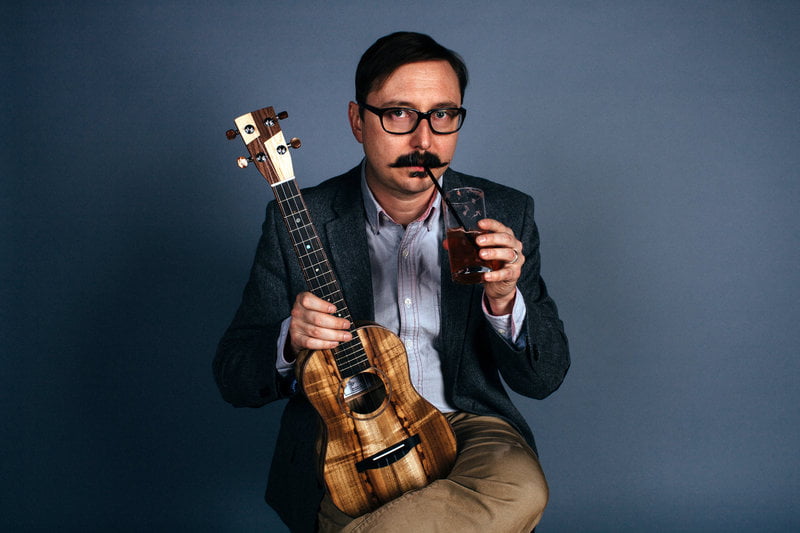
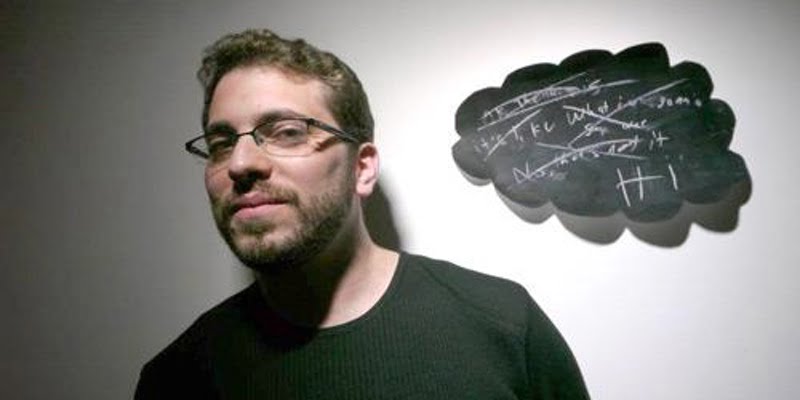
An Evening with John Hodgman
MIT Building 26, Room 100 Access Via 60 Vassar Street, Cambridge, MAJohn Hodgman brings his razor-sharp wit to MIT for a moderated discussion on his career and the state of comedy today.

MIT Graduate Program in Comparative Media Studies
Studying Media and Making Media
John Hodgman brings his razor-sharp wit to MIT for a moderated discussion on his career and the state of comedy today.

A great way to get to know the program, its people, and its research. This year’s is on November 17 from 10am to 12pm and will be streamed online on our Youtube channel: https://www.youtube.com/channel/UCmO0SU2gV3ZTl-EeKLcyAlQ
Join us for this year's alumni panel, when we hear from four alums of the graduate program in Comparative Media Studies as they discuss their experience at MIT and what their careers have looked like in the fields a CMS degree prepared them for.

André Brock, scholar of Black cyberculture, offers that Twitter's feature set and ubiquity map closely onto Black discursive identity.

Operating under the oppressive structures of masculinity, heterosexuality, and Whiteness that are sustained in digital spaces, marginalized women persevere and resist such hegemonic realities.
Exploring playfulness and its business applications. Three workshops on January 12, 19, and 26.
Cultivate a greater understanding of how to evaluate a range of sources, from the popular news media, to institutional archives, to peer reviewed journals.
Co-sponsored by MIT Libraries and CMS/W.

"Come together, be creative, share experiences and express ourselves in a multitude of ways using video games."
Learn how to draw the hand and why you couldn’t do it before.

MIT's Nathan Matias asks, how will the role of data science in democracy be transformed as software expands the public's ability to conduct our own experiments at scale?
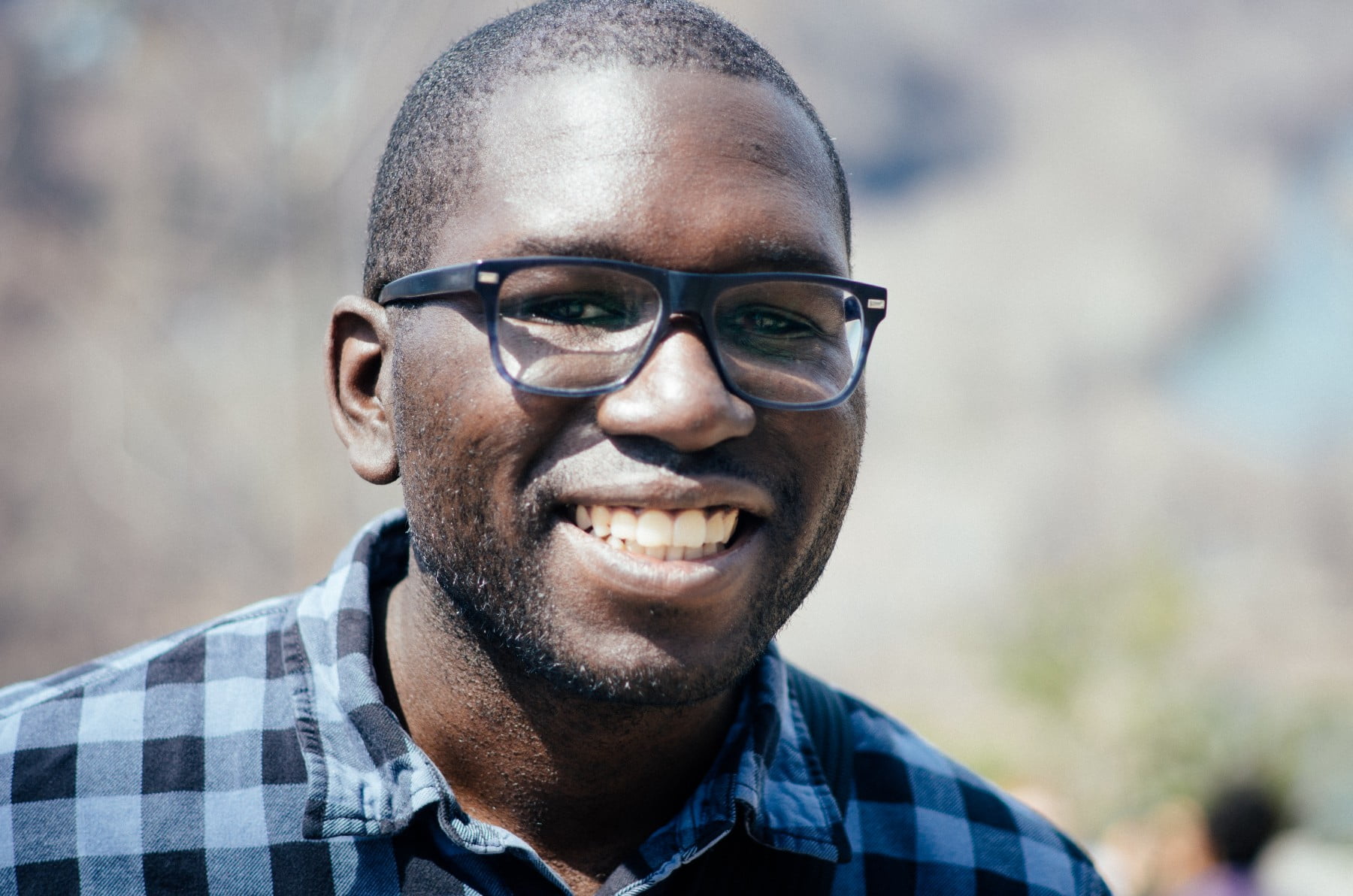
Slate's Jamelle Bouie on how race and ethnicity framed the election and how journalists and content creators can improve coverage of these issues moving forward.
Virtual Reality productions are on the rise. But is the medium even available? How can we start thinking about the accessibility and democratization of immersive production, creation and consumption?

Seeking to unravel the analytical split between the "drawn" and the "digital" in animation and media studies more broadly, Paul Roquet’s project moves back and forth between two desktops: the hard surface of the drawing table and the pixelated surface of the screen.

Azeen Ghorayshi, MIT astronomer Sarah Ballard, and Harvard history of science professor Evelynn M. Hammonds discuss barriers to gender equality in the sciences and steps to over come them.

